Rising Tensions in the Middle East
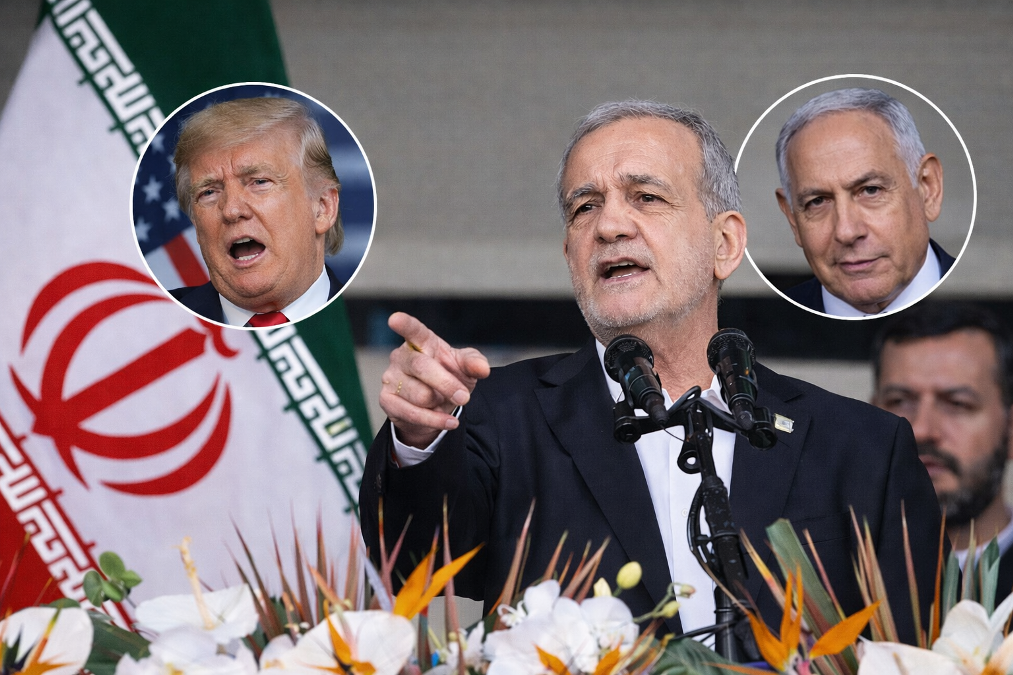
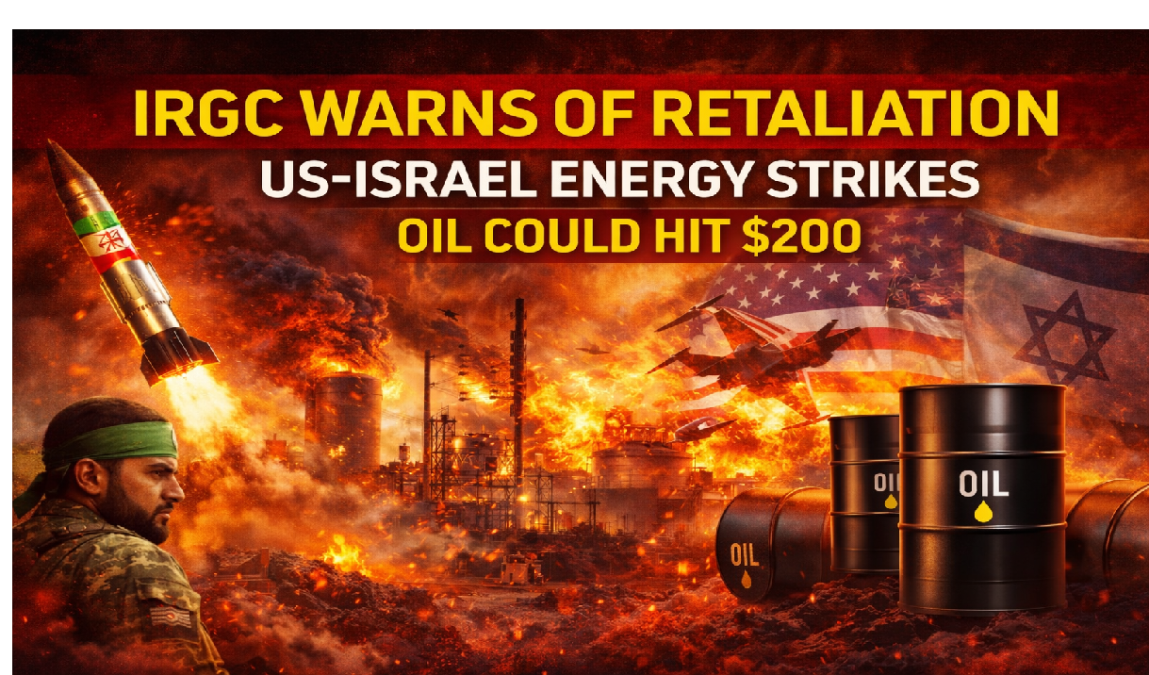
Tensions in the Middle East continue to escalate as Iran’s Islamic Revolutionary Guard Corps (IRGC) has issued a strong warning following reported attacks by the United States and Israel on energy-related facilities across the region. The statement, carried by Iranian state media, suggests that Tehran may respond if the strikes continue.
According to the IRGC spokesperson, the attacks have allegedly targeted fuel storage sites, energy facilities, and areas close to civilian infrastructure. The spokesperson accused Washington and Tel Aviv of expanding their military campaign beyond military objectives, claiming that the ongoing strikes risk destabilizing the entire region.
Iran Warns of Possible Retaliation
The IRGC warned that if the strikes against energy infrastructure persist, Iran may consider responding with similar measures. Officials stressed that Iran has so far avoided attacking comparable targets despite the ongoing conflict.
The spokesperson also urged Gulf countries to pressure the United States and Israel to halt their military operations. Iran believes that continued attacks on energy installations could provoke broader retaliation that might impact energy security across the Middle East.
Concerns Over Global Oil Supply
Energy analysts have expressed concern that attacks on oil and gas infrastructure could severely disrupt global energy markets. The Middle East plays a crucial role in supplying oil and liquefied natural gas to international markets, and any escalation could have major economic consequences.
The IRGC statement warned that the continuation of such strikes could push global oil prices dramatically higher. Officials hinted that if energy infrastructure across the region becomes a target, the cost of oil could surge far beyond current levels, affecting economies worldwide.
Gulf States Urged to Intervene
Iran has also called on neighboring Gulf countries to take diplomatic action and prevent further escalation. According to the IRGC spokesperson, regional governments should encourage de-escalation before the conflict spreads beyond the current theaters of war.
Some analysts believe Gulf states may attempt to act as intermediaries to reduce tensions, particularly because their own energy facilities could become vulnerable if the conflict intensifies.
Regional Conflict Continues to Expand
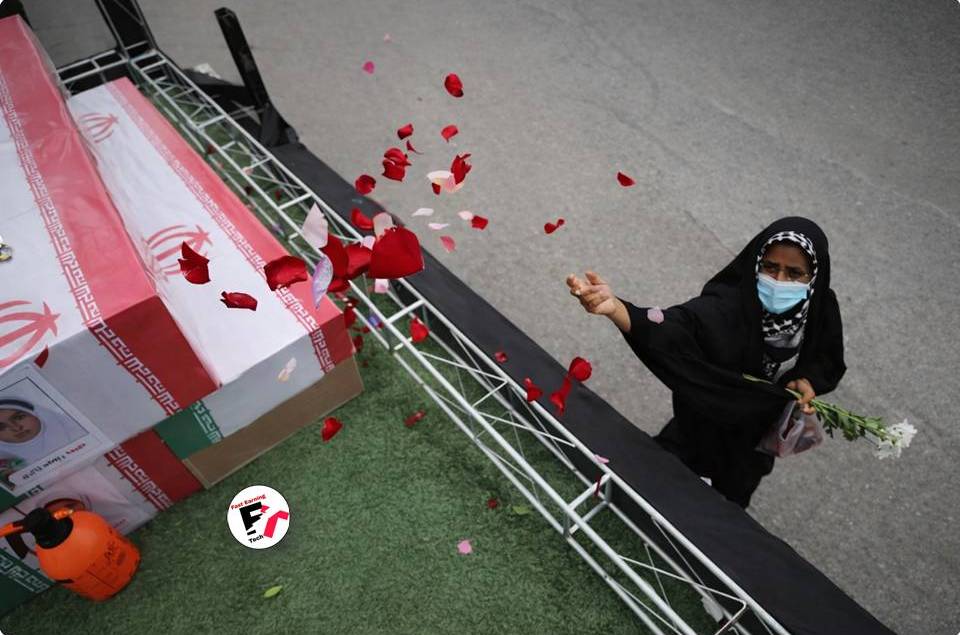
The warning from the IRGC comes as military exchanges between Iran, Israel, and US-aligned forces continue across multiple fronts. Missile launches, air strikes, and drone attacks have been reported in several locations, raising fears that the conflict could turn into a broader regional war.
Despite the increasing hostilities, diplomatic efforts are still ongoing in several international forums as world leaders push for restraint and dialogue.
Global Impact of the Escalation
The Middle East conflict has already begun to affect financial markets and global energy prices. Experts warn that if energy infrastructure becomes a central battlefield, it could lead to severe disruptions in oil shipments through strategic routes such as the Strait of Hormuz.
Any long-term disruption in these supply chains would likely push oil prices higher and place additional pressure on economies already dealing with inflation and geopolitical uncertainty.