The conflict between Iran, the United States, and Israel has escalated dramatically, pushing the Middle East into one of its most dangerous military crises in recent years. Over the past few days, coordinated attacks, retaliatory missile strikes, and growing regional involvement have raised fears that the conflict could expand into a wider war.
Escalation of Military Operations
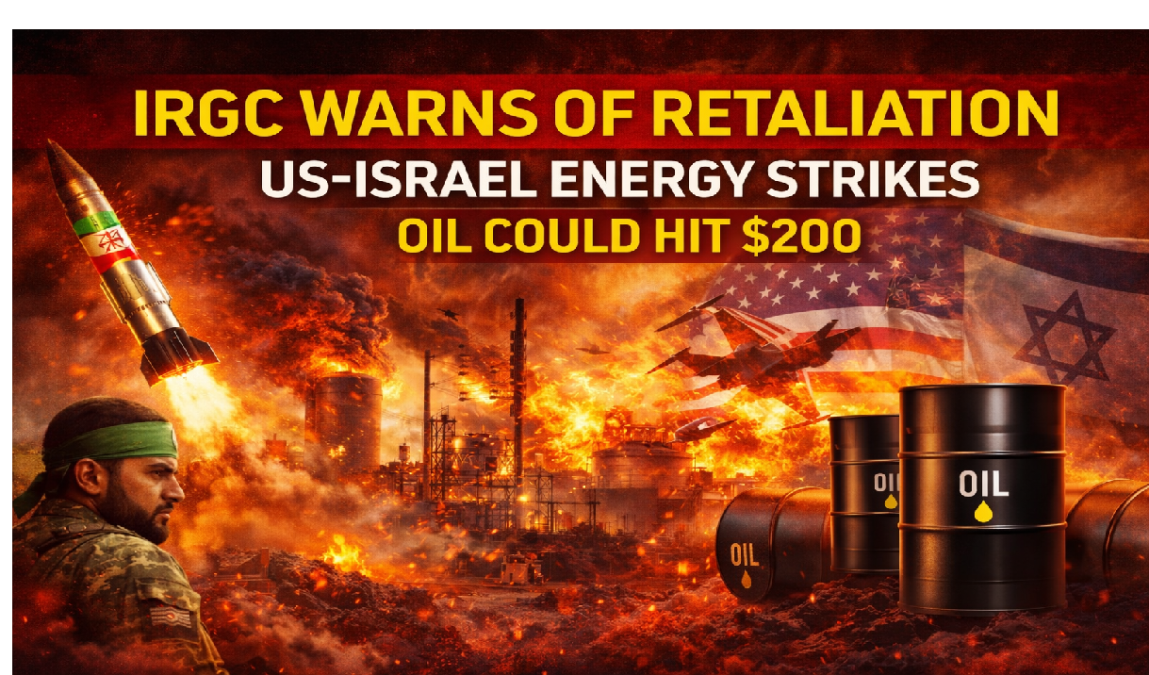
The United States and Israel have significantly increased their military operations against Iranian targets. According to multiple reports, the attacks have focused on strategic military facilities, missile launch sites, and suspected weapons storage locations across Iran.
Airstrikes have reportedly targeted key locations connected to Iran’s military infrastructure. The strikes aim to weaken Iran’s ability to launch further attacks and to limit the country’s military capabilities. Israeli officials say the operations are part of a broader strategy to prevent Iran from strengthening its regional influence and expanding its missile programs.
Military analysts say that the scale and intensity of the attacks suggest a coordinated campaign designed to pressure Iran on multiple fronts.
Iran’s Response and Retaliation
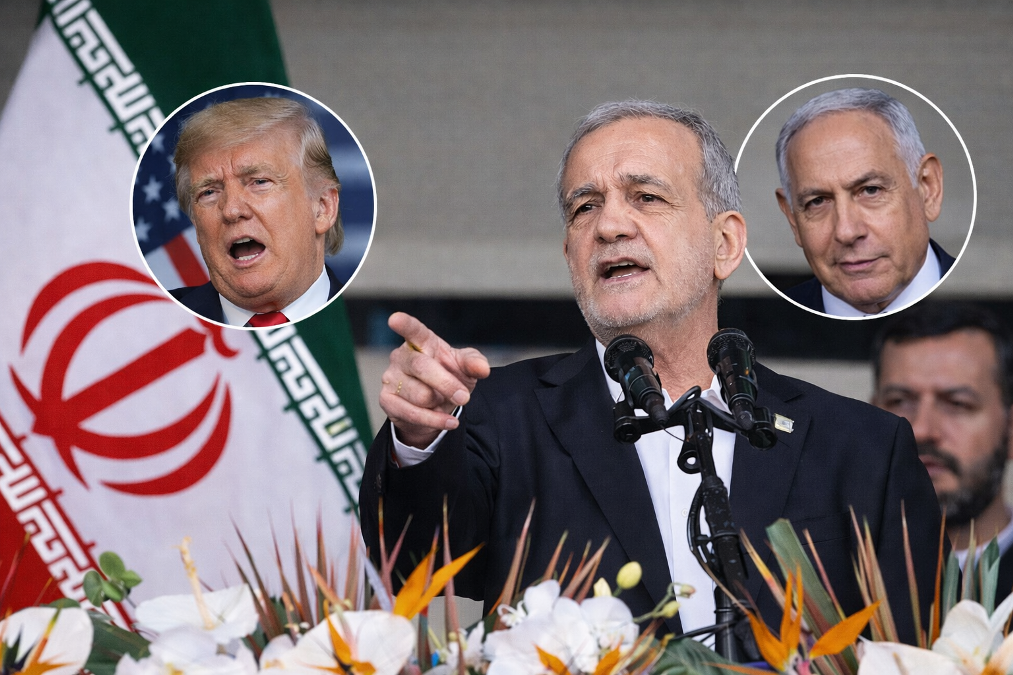
Iran has responded with a series of missile and drone attacks directed toward Israeli territory and U.S. military positions in the region. Iranian officials have stated that the country will continue to defend itself against what it calls “aggression by foreign forces.”
Some missiles and drones have reportedly been intercepted by air defense systems, but several attacks have still caused damage and casualties. Iran has also warned that it could target additional strategic sites if the attacks continue.
The retaliatory strikes highlight the growing risk of further escalation and demonstrate Iran’s determination to remain actively involved in the conflict.
Conflict Expands Across the Middle East
What initially began as direct attacks between Israel and Iran is now affecting multiple countries across the Middle East. Armed groups allied with Iran in different parts of the region have also become involved.
In Lebanon, militants linked to Hezbollah have launched rockets toward northern Israel, prompting Israeli airstrikes in response. In other areas of the region, tensions have risen as military bases connected to the United States increase their security levels.
The growing involvement of different groups has made the situation far more complex and unpredictable. Analysts warn that if the conflict continues to expand, it could destabilize several countries across the region.
Impact on Civilians and Infrastructure
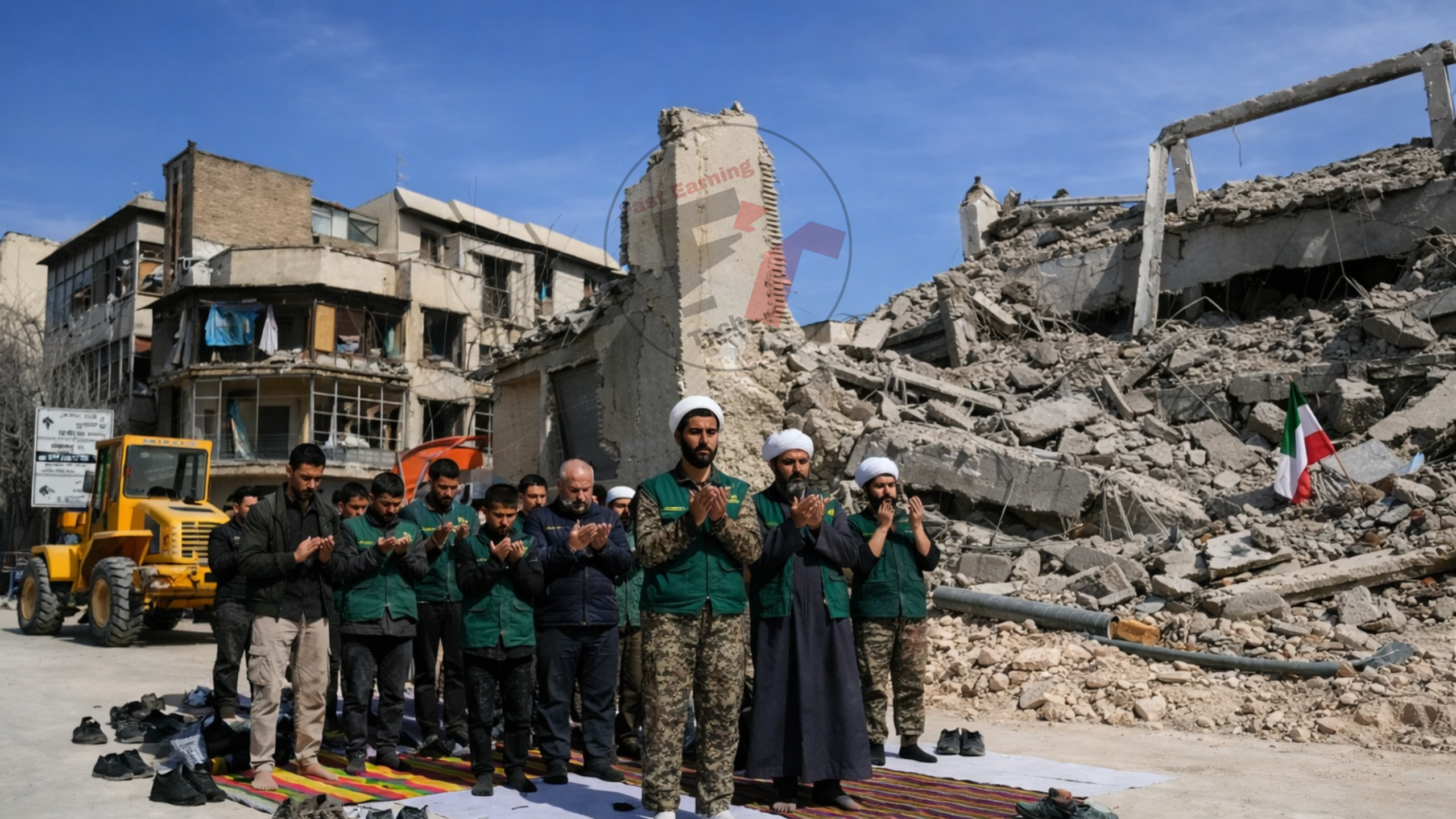
As the fighting continues, civilians in several areas are facing increasing hardship. Reports from different cities indicate that residential areas, infrastructure, and transportation networks have been affected by the ongoing strikes.
Many residents have been forced to leave their homes, while others remain trapped in areas where explosions and military operations continue. Emergency services and humanitarian groups are attempting to respond, but the rapidly changing situation makes relief efforts difficult.
Images emerging from affected areas show damaged buildings, destroyed roads, and communities struggling to cope with the consequences of the conflict.
International Reactions
Governments and international organizations have expressed deep concern over the growing violence. Several countries have called for restraint and urged all sides to avoid further escalation.
Diplomatic efforts are also underway to prevent the conflict from spreading further. However, with both sides continuing military operations, the chances of an immediate ceasefire appear uncertain.
Global leaders have warned that the conflict could have serious consequences for international stability, especially if it disrupts energy supplies or trade routes in the Middle East.
Economic Consequences
The escalating conflict has already begun to affect global markets. Oil prices have shown signs of volatility as investors worry about possible disruptions to supply routes in the region.
The Strait of Hormuz, one of the world’s most important oil shipping routes, remains a key concern for international markets. Any disruption in this area could have significant economic consequences for countries around the world.
Financial analysts say that continued instability could lead to rising energy prices and increased economic uncertainty.
What Happens Next?
As the conflict enters a more intense phase, the future remains uncertain. Military operations continue, and both sides appear determined to maintain their positions.
Experts warn that without diplomatic intervention, the situation could escalate even further, potentially drawing more countries into the conflict. At the same time, international pressure for negotiations continues to grow.
For now, the Middle East remains on edge as the conflict between Iran, the United States, and Israel shows no clear sign of ending soon.