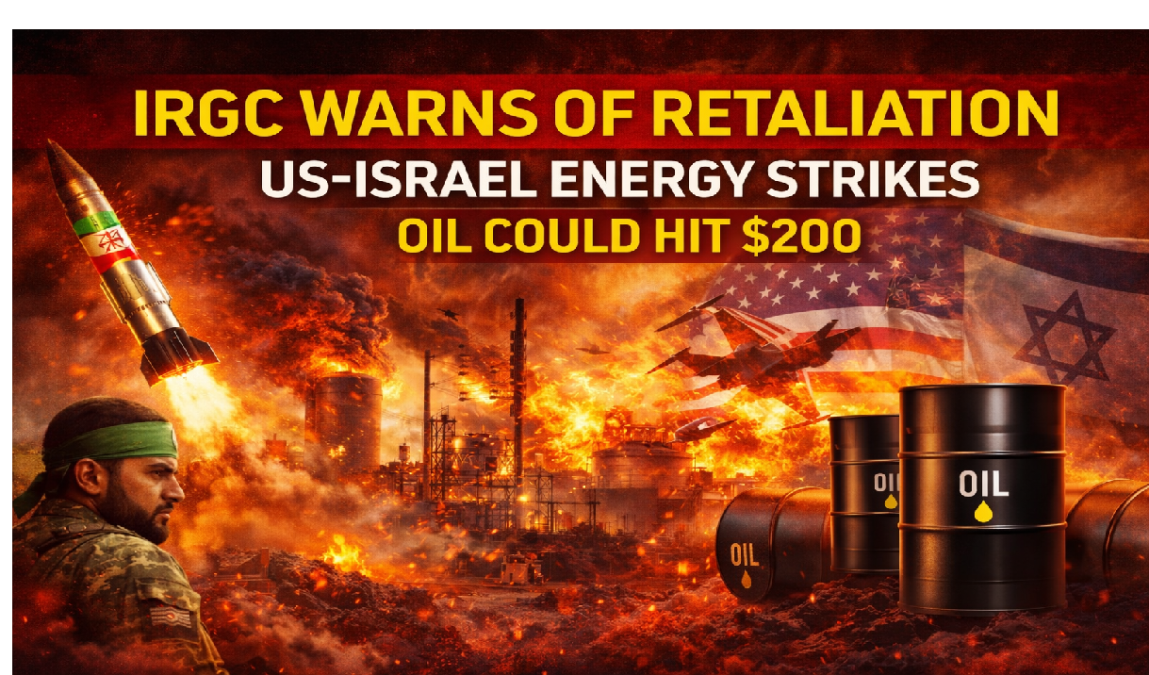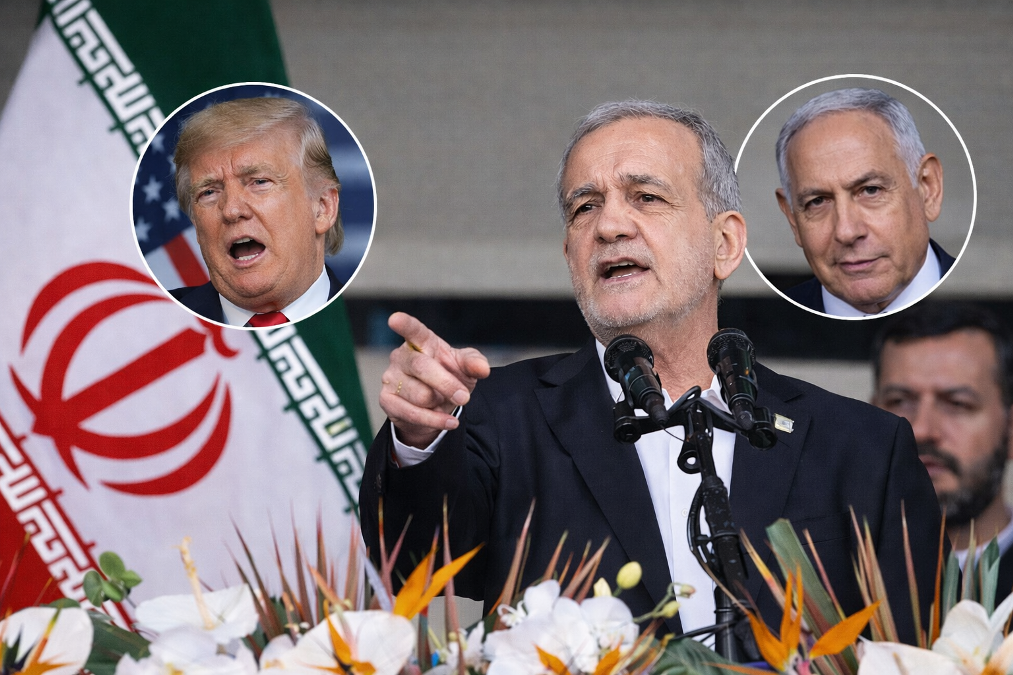
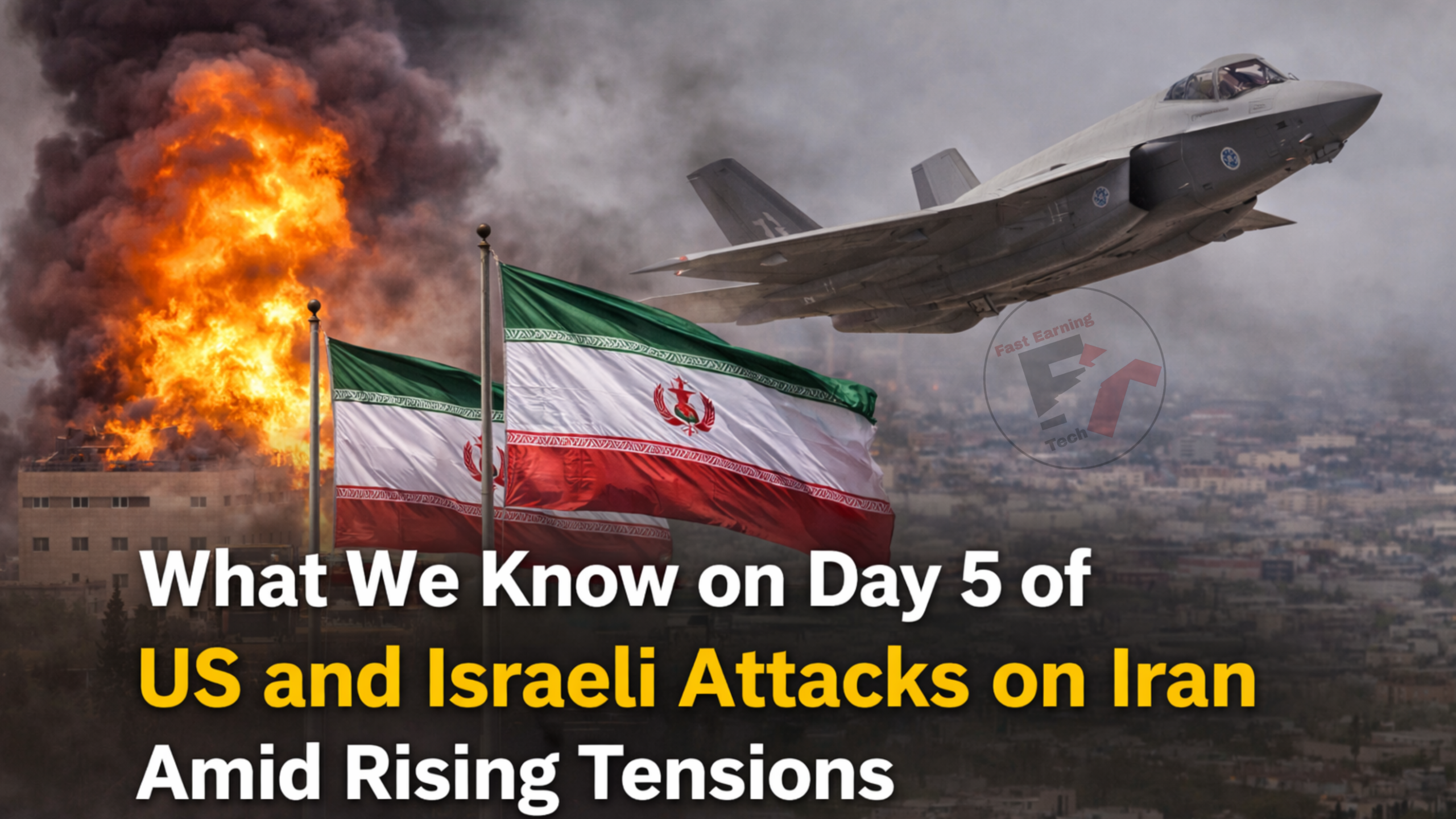
The conflict involving Iran, the United States, and Israel has now entered its fifth day, with tensions continuing to rise across the Middle East. Intense military activity, including airstrikes, missile launches, and drone attacks, has made this one of the most serious escalations in the region in recent years.
As the fighting continues, concerns are growing that the conflict could expand beyond the main parties and affect several countries across the region.
Continued Airstrikes on Iranian Military Targets
Over the past several days, the United States and Israel have reportedly carried out a series of coordinated strikes on Iranian military facilities. These operations are believed to have targeted strategic locations such as missile launch sites, storage facilities, and command centers connected to Iran’s defense infrastructure.
Several reports suggest that military installations and air-defense systems in areas including Tehran and other strategic cities have suffered significant damage during the attacks.
Analysts say these strikes are aimed at weakening Iran’s ability to launch further military responses.
Iran Responds With Missile and Drone Attacks
In response to the airstrikes, Iran has launched missiles and drones toward Israeli territory and locations connected to U.S. forces in the Middle East.
Some of these attacks were reportedly intercepted by defense systems, but others still caused damage in certain areas. Iranian officials have warned that the country will continue to respond to any further military actions.
The exchange of attacks between the two sides has significantly increased fears of a wider regional conflict.
Conflict Expands Beyond Iran and Israel
The situation is no longer limited to direct exchanges between Iran and Israel. Armed groups allied with Iran in other parts of the Middle East have also become involved.
In Lebanon, Hezbollah fighters have launched rockets toward northern Israel, prompting retaliatory airstrikes by Israeli forces in southern Lebanon.
This development has raised serious concerns among international observers that the conflict could evolve into a broader regional war if tensions continue to escalate.
Airspace Control Claims
Israeli officials have stated that Israeli and U.S. forces now have significant control over parts of Iranian airspace. This claim suggests that the two allies have been able to conduct repeated aerial operations targeting Iranian facilities.
However, experts believe that Iran still possesses underground missile systems and defensive capabilities that could continue to pose threats across the region.
Rising Casualties and Humanitarian Concerns
As the conflict continues, reports indicate that casualties are increasing on multiple sides. Both military personnel and civilians have been affected by the ongoing violence.
Some estimates suggest that hundreds of people have been killed since the fighting began, while many others have been injured.
Due to security concerns, several countries have started evacuating their citizens and students from areas considered at risk.
Economic Impact on Global Markets
Beyond the military situation, the conflict is also affecting global economic stability. The Strait of Hormuz, one of the most important routes for international oil shipments, has been affected by the tensions.
Shipping activity in the region has reportedly slowed down, creating concerns about possible disruptions in global energy supply. As a result, analysts warn that continued instability could lead to higher oil and energy prices worldwide.
Conclusion
By the fifth day of the conflict, the situation between Iran, Israel, and the United States has evolved into a serious regional crisis. With continued airstrikes, retaliatory attacks, and growing involvement from other groups in the Middle East, the risk of a larger war remains a major concern for the international community.