No Popular Support’: China Opposes Government Change in Iran Amid US-Israel Conflict
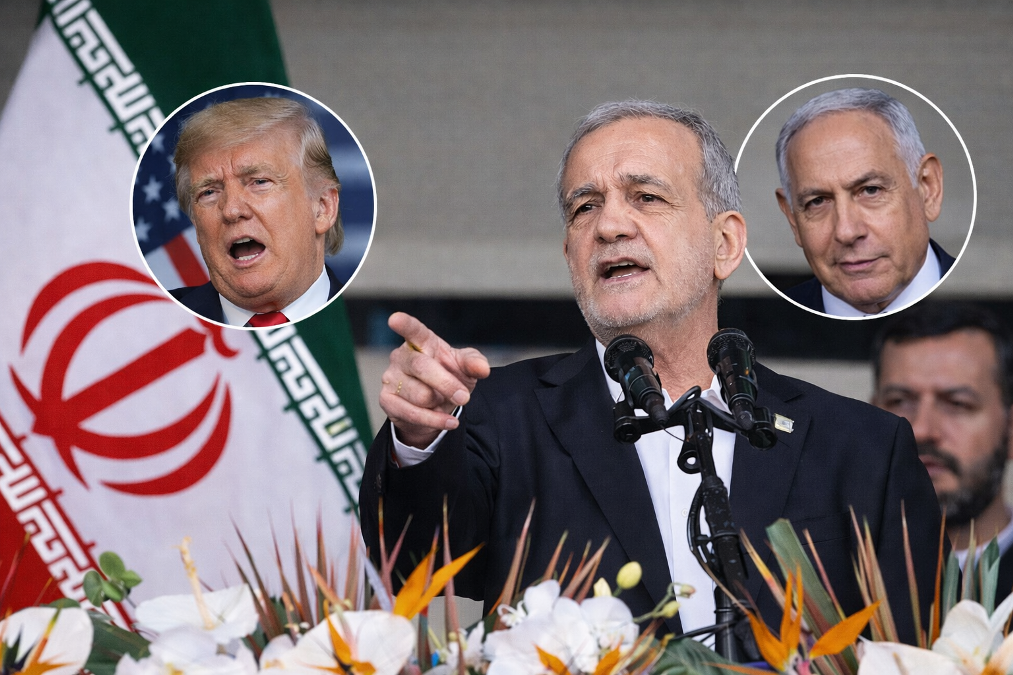
China has issued a strong warning against attempts to change the government in Iran as tensions continue to rise in the Middle East. Chinese officials stressed that any effort to impose political change in Tehran would not have the support of the Iranian people and could worsen instability across the region.
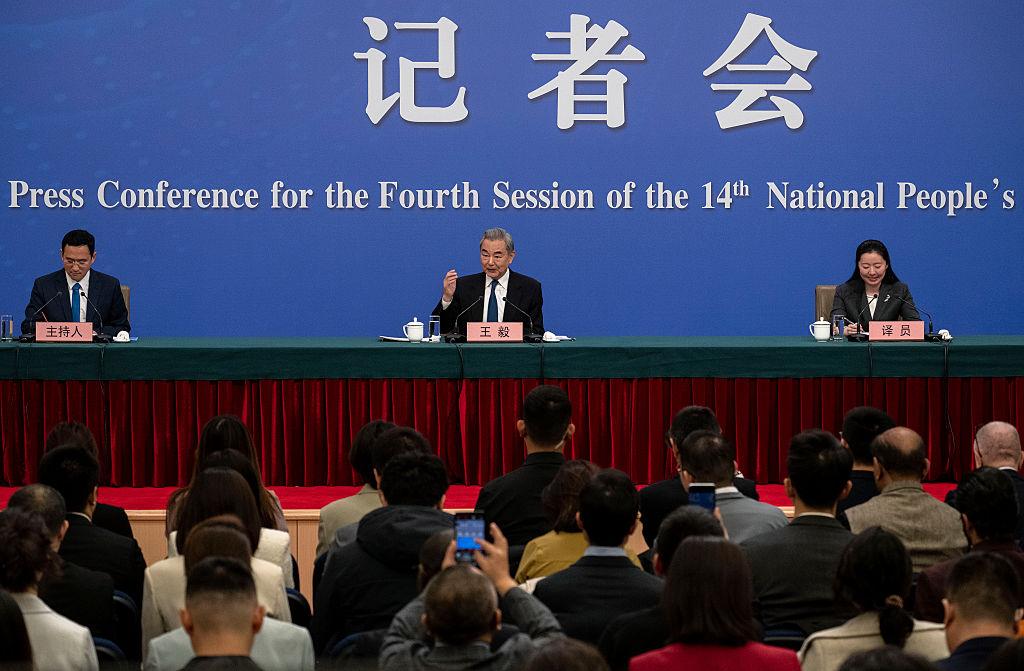
Speaking during a press conference in Beijing, China’s Foreign Minister Wang Yi emphasized that external forces should avoid interfering in the internal affairs of other countries. His remarks came during an important annual political gathering in the Chinese capital, where leaders discussed major global developments and diplomatic challenges.
According to Wang, attempts to force political change in Iran could lead to further conflict and create deeper divisions in an already volatile region.
Warning Against “Colour Revolution”
During his remarks, Wang Yi specifically warned against the idea of organizing a so-called “colour revolution” or attempting to push for a change in Iran’s leadership through outside pressure.
He stated that such strategies would fail because they do not reflect the will of the Iranian population. According to the Chinese foreign minister, attempts to reshape political systems from outside rarely succeed and often lead to prolonged instability.
China believes that political systems should evolve through internal processes rather than external intervention, Wang said.
Call for Immediate End to Military Operations
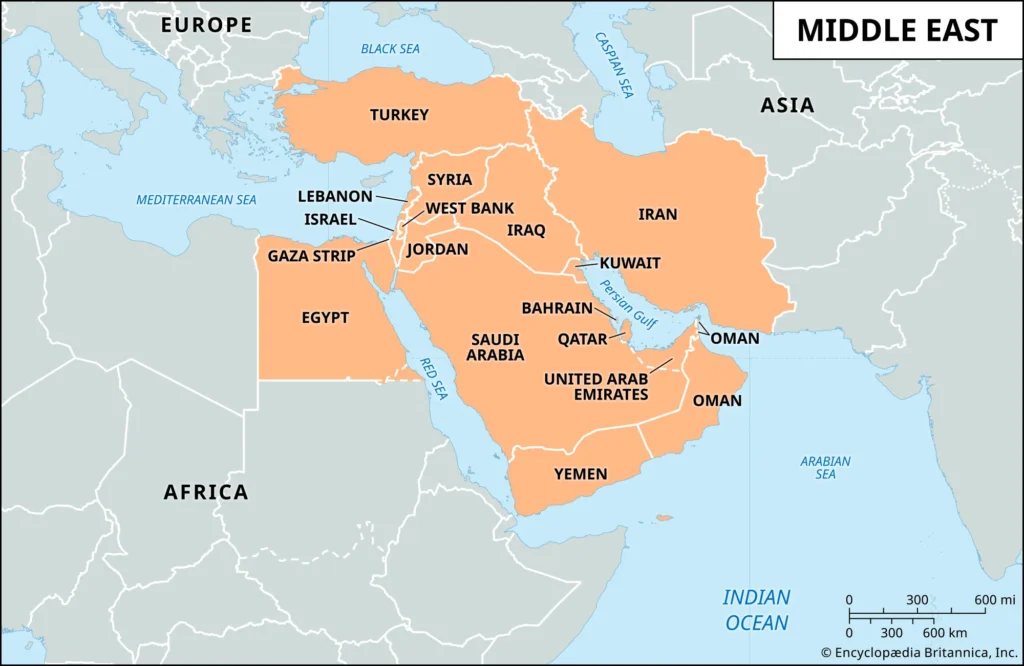
China also called for an immediate halt to military operations in the Middle East, warning that continued fighting could push the region toward a broader and more dangerous conflict.
The Chinese government urged all parties involved in the confrontation to show restraint and prioritize diplomatic dialogue instead of military escalation.
Wang Yi stressed that war would only deepen hostility between nations and create new crises that could spread beyond the region.
He noted that the ongoing conflict is already affecting multiple countries and has the potential to destabilize global security and economic systems if it continues.
Middle East Should Decide Its Own Future
China reiterated its long-standing position that the future of the Middle East should be determined by the countries and people living in the region rather than outside powers.
“The people of the Middle East are the true masters of this region,” Wang Yi said. He argued that regional affairs should be resolved through cooperation and dialogue among local governments without foreign interference.
China’s leadership has consistently supported the principle of sovereignty and territorial integrity, emphasizing that every nation has the right to determine its own political path.
Diplomacy Over Military Power
Wang Yi also criticized the idea that military strength alone can resolve international disputes. According to him, relying on force will not bring long-term stability.
He warned that armed conflicts tend to create cycles of retaliation and resentment that can last for generations.
“Force provides no real solution,” Wang said, adding that wars often leave deep divisions that make future peace negotiations even more difficult.
Global Concerns Over Escalation
The Chinese government’s statement reflects growing concern among international leaders about the potential expansion of the Middle East conflict.
Several governments and global organizations have already called for restraint and diplomatic engagement to prevent the situation from escalating further.
Analysts warn that continued military operations could disrupt global trade routes, energy markets, and political stability across multiple regions.
China has urged all sides to return to diplomatic negotiations and pursue peaceful solutions in order to avoid a wider regional crisis.