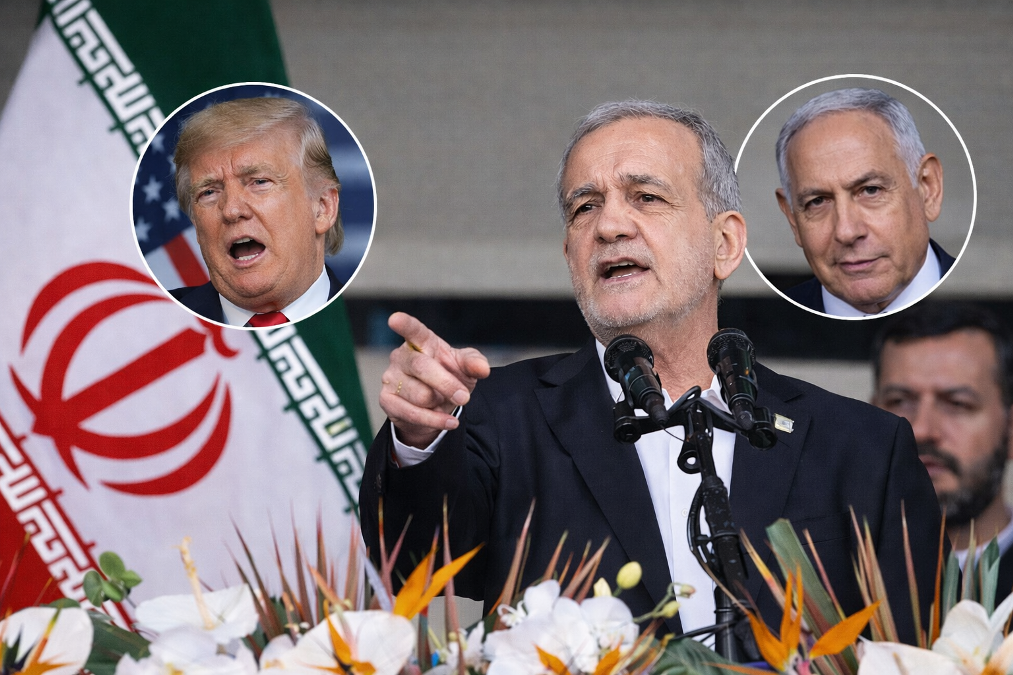

Washington / Middle East: As the conflict involving the United States, Israel, and Iran enters its second week, one of the biggest questions being raised by analysts and diplomats worldwide is clear: What exactly is the end goal of former US President Donald Trump and the broader US strategy in Iran?
More than twenty years after the US-led invasion of Iraq in 2003 reshaped the Middle East, Washington has once again found itself at the center of a major regional war. This time, however, the focus is on Iran — a country that has long been viewed by the United States and Israel as one of their most formidable geopolitical rivals.
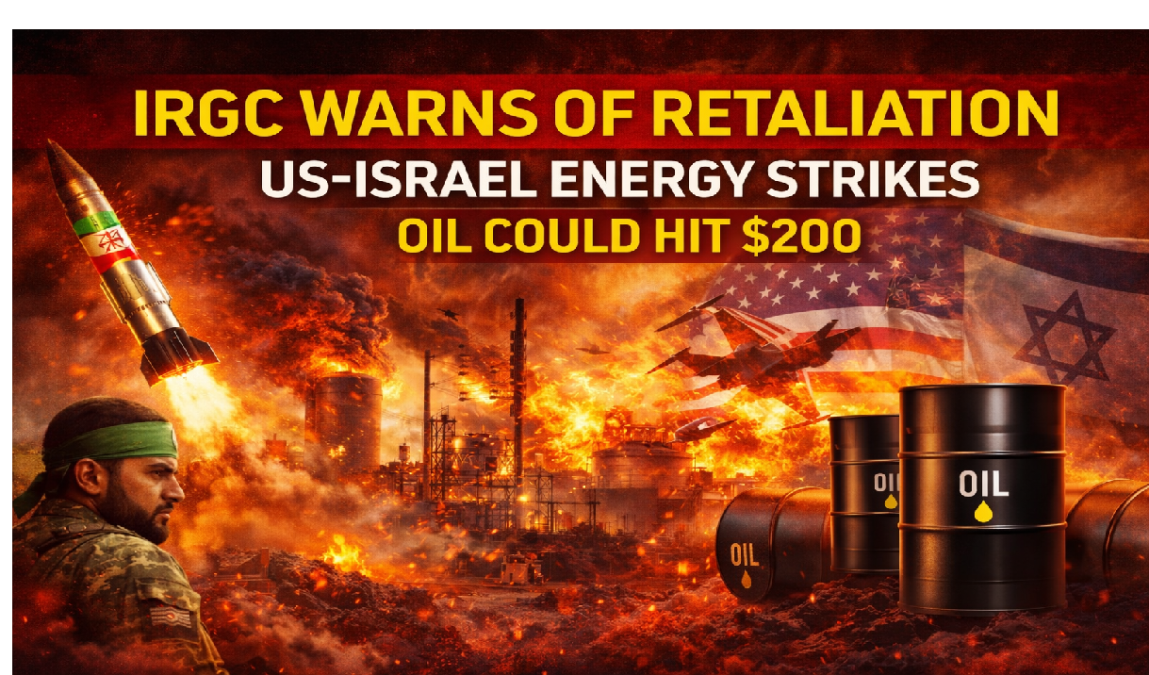
Since the start of the current conflict, US forces have reportedly carried out strikes on nearly 2,000 targets across Iran, hitting military installations, nuclear-related facilities, strategic infrastructure, and locations believed to house Iranian command centers.
Several senior Iranian figures were reportedly killed during the opening wave of strikes, including top military commanders and government officials. The conflict intensified dramatically after the death of Iran’s long-serving Supreme Leader Ali Khamenei, who had led the country for more than three decades and had previously served as Iran’s president.
Following these attacks, the war quickly escalated. Iran responded with hundreds of ballistic missiles and thousands of drones, targeting Israeli territory as well as military sites across the Gulf region that Tehran claims are used by US forces.
Iranian officials said the strikes were aimed at military bases, energy infrastructure, and diplomatic facilities associated with the United States and its allies. However, the conflict has also affected civilian areas, raising concerns about the humanitarian impact of the war.
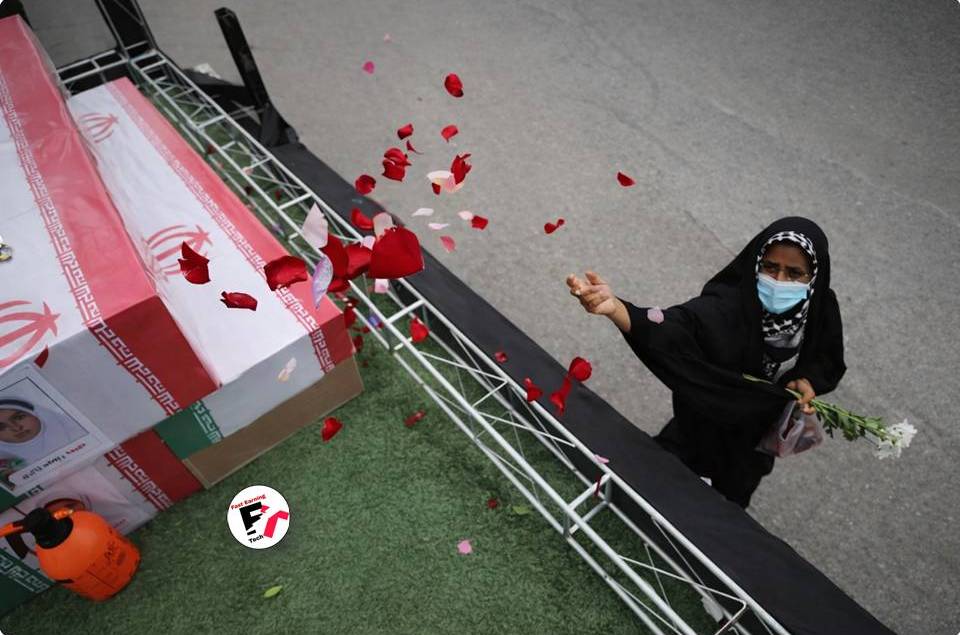
Reports suggest that more than 1,200 people in Iran have been killed, including civilians and children caught in the bombing of residential areas and infrastructure facilities. On the other side, at least seven American soldiers have reportedly died during retaliatory attacks on US bases in the region.
Despite the scale of the fighting, analysts say the biggest mystery remains Washington’s long-term strategy.
Throughout the conflict, statements from President Donald Trump and members of his administration have appeared at times unclear or contradictory, leading experts to question whether the United States has a clearly defined plan for ending the war.
Some analysts believe the ultimate objective could be regime change in Iran — a strategy aimed at weakening the Iranian government to the point where internal political collapse becomes possible.
Others suggest the goal may instead be limiting Iran’s military capabilities, particularly its missile programs and nuclear infrastructure, which the US and Israel have long viewed as security threats.
Another possible scenario discussed by policy experts is that Washington hopes to force Iran into a new regional security agreement, potentially reshaping the balance of power in the Middle East.
However, achieving any of these outcomes would likely require prolonged military pressure and complex diplomatic negotiations — something that could further destabilize the region.
Regional governments and international observers have increasingly warned that the war could spread beyond Iran and Israel, potentially drawing in neighboring countries and triggering a much wider Middle Eastern conflict.
For now, the conflict shows few signs of slowing, and the question of what the United States ultimately hopes to achieve remains one of the biggest uncertainties shaping the war.