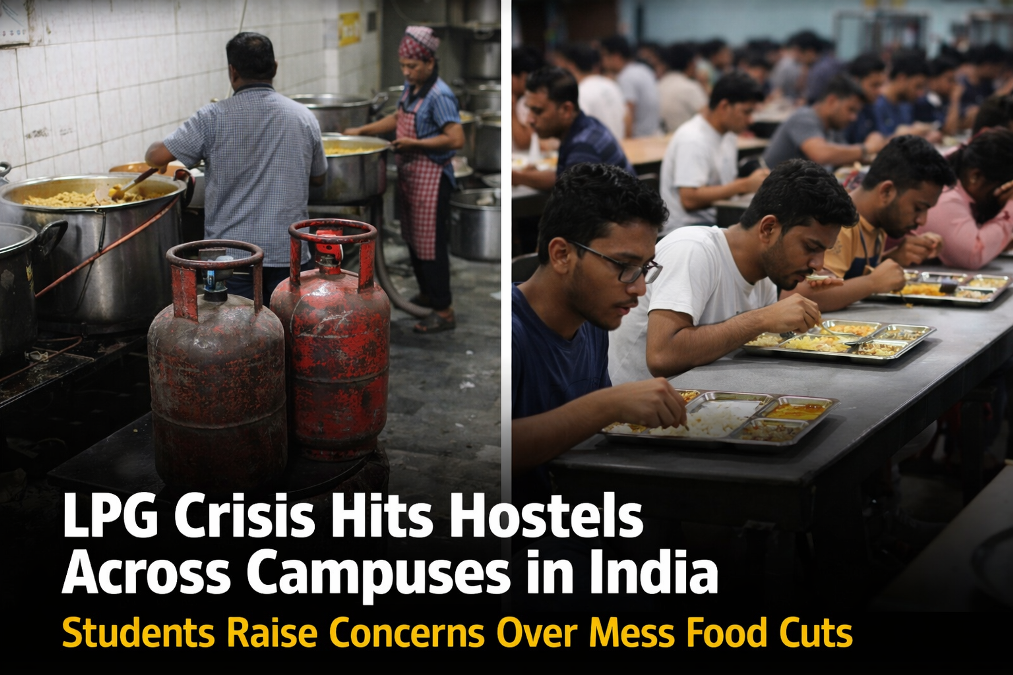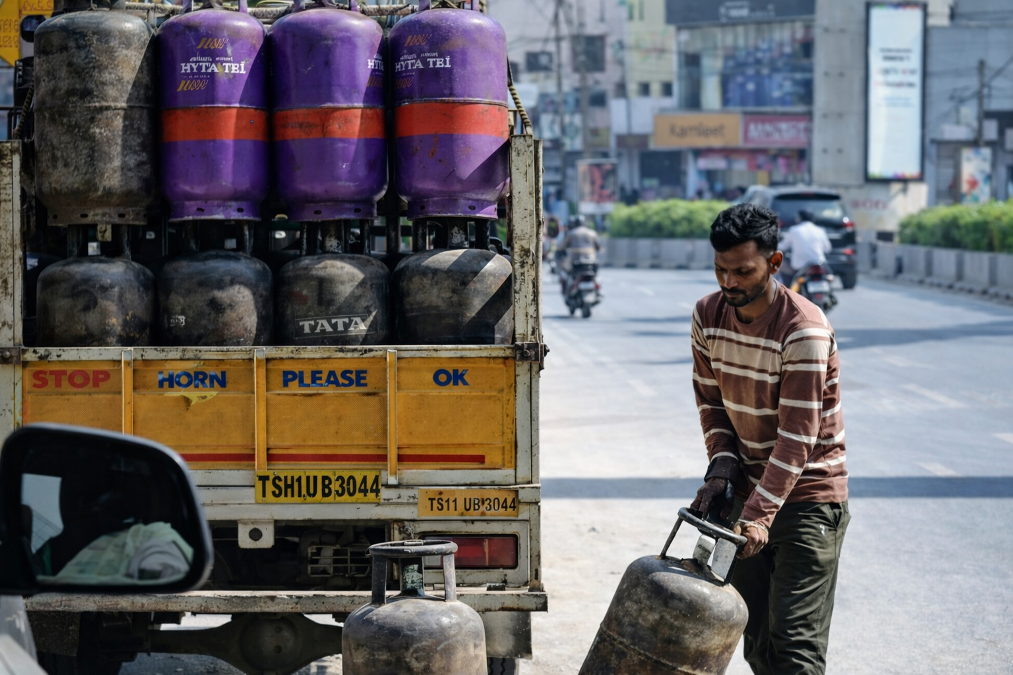
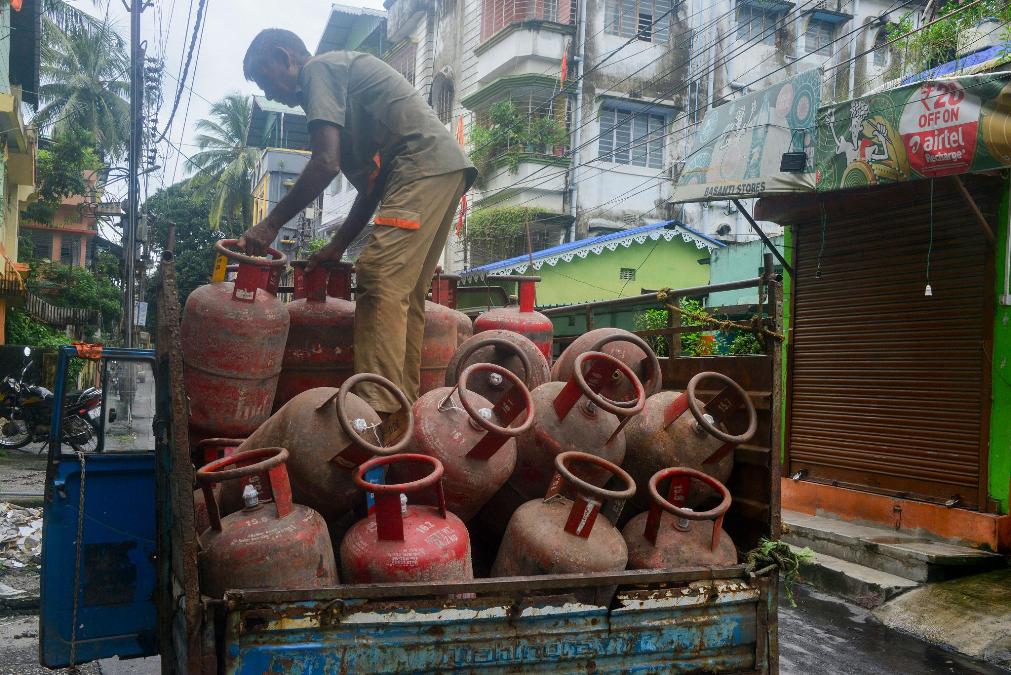
The Delhi government has introduced a priority-based distribution policy for commercial LPG cylinders as the national capital faces tightening fuel supplies. The move comes amid growing concerns about disruptions in energy supply chains linked to ongoing geopolitical tensions in West Asia.
Under the new policy, the government has capped the daily regulated supply of commercial LPG cylinders at around 1,800 cylinders across the entire city. This supply will now be distributed through a structured priority system designed to ensure that essential services continue functioning without disruption.
The directive was issued on March 14 by the Department of Food, Supplies and Consumer Affairs, following instructions from the Ministry of Petroleum and Natural Gas. Authorities say the system will help manage shortages and prevent panic buying while ensuring that critical sectors receive fuel first.
Why the Delhi Government Introduced the Priority System
Delhi has recently experienced growing pressure on its LPG supply chain due to multiple factors, including global energy volatility and disruptions in shipping routes for fuel imports. India imports a significant portion of its LPG requirements, and any instability in global supply can quickly impact domestic availability.
Officials say the priority-based allocation framework is designed to balance limited supply with the city’s essential needs. Hospitals, public institutions, and essential service providers depend heavily on LPG for cooking, sterilization, and daily operations.
Without a structured allocation system, authorities fear that commercial sectors with higher purchasing power could consume the bulk of available supply, leaving essential services vulnerable.
By introducing this framework, the Delhi government aims to:
- Ensure uninterrupted services in hospitals and critical institutions
- Prevent hoarding and black marketing of LPG cylinders
- Maintain fair distribution across sectors
- Stabilize the market during supply constraints
Only 20% of Daily Consumption Allowed
According to the official notice, only 20 percent of Delhi’s average daily commercial LPG consumption will now be supplied through the regulated system.
This amounts to approximately 1,800 cylinders per day, which will be distributed among different sectors based on their assigned priority levels.
Oil Marketing Companies (OMCs), including:
- Indian Oil Corporation (IOC)
- Bharat Petroleum Corporation Limited (BPCL)
- Hindustan Petroleum Corporation Limited (HPCL)
have been tasked with managing the allocation and delivery of cylinders under this system.
Officials say the controlled distribution will remain in place until supply conditions stabilize.
Eight Priority Categories Identified
To ensure fair distribution, the Delhi government has divided LPG consumers into eight priority sectors, each with a specific allocation percentage.
Priority 1: Essential Public Services
The highest priority has been given to educational institutions, hospitals, railways, and airports.
These sectors will receive up to 100 percent of their daily LPG requirement, although the allocation is capped at 11 percent of the total supply, which equals around 200 cylinders per day.
Authorities emphasized that healthcare facilities must continue operating without disruption, making them the top priority.
Priority 2: Government and PSU Institutions
The second priority category includes:
- Government offices
- Public sector units (PSUs)
- Institutional canteens within government premises
These institutions will receive up to 13 percent of the daily allocation, equivalent to roughly 236 cylinders.
Priority 3: Restaurants and Eateries
Restaurants and food outlets form the largest consumer group of commercial LPG in Delhi.
Under the new policy, they have been placed in Priority 3, receiving 42 percent of the total allocation, or approximately 762 cylinders daily.
Despite being placed below essential sectors, this group still receives the largest share due to its high consumption levels.
However, restaurant associations say the allocation may still be insufficient if shortages persist for long.
Priority 4: Hotels and Hospitality Sector
The fourth category includes:
- Hotels
- Guest houses
- Hospitality establishments
- Trust-run accommodations
These establishments will receive 4 percent of the total supply, which equals around 72 cylinders per day.
Priority 5: Dairy and Food Production Units
The fifth priority category covers businesses that produce food items on a large scale, including:
- Dairy units
- Bakeries
- Sweet shops
This group will receive 11 percent of the daily LPG supply, or roughly 200 cylinders.
These businesses are considered essential for maintaining the city’s food supply chain.
Priority 6: Catering and Banquet Services
Catering companies and banquet halls fall under Priority 6, with a supply cap of 9 percent of the total allocation, equivalent to about 162 cylinders per day.
Event planners say this restriction could significantly impact large gatherings, weddings, and events if shortages continue.
Priority 7: Industrial Users
The seventh category includes industries that rely on LPG for operational processes, such as:
- Dry cleaning services
- Packaging units
- Pharmaceutical companies
These sectors will receive only 1 percent of the total allocation, which equals approximately 18 cylinders daily.
Authorities believe these industries can temporarily switch to alternative fuels if necessary.
Priority 8: Sports Facilities and Others
The final category includes:
- Sports complexes
- Stadiums
- Other miscellaneous facilities
This group will receive 8 percent of the total allocation, amounting to around 150 cylinders per day.
Impact on Restaurants and Businesses
The new policy is likely to have a significant impact on Delhi’s restaurant industry. Many eateries rely entirely on commercial LPG cylinders for cooking operations.
Restaurant owners have expressed concern that the allocation may not meet daily demand if shortages persist.
Some restaurant associations have already warned that businesses may need to:
- Reduce operating hours
- Limit menu options
- Increase prices
if the supply situation does not improve soon.
However, government officials say the priority framework is necessary to ensure that essential sectors are protected during the crisis.
Government Monitoring and Enforcement
Authorities have also announced stricter monitoring of LPG distribution to prevent misuse of cylinders.
Officials will monitor:
- Cylinder inventories
- Distribution records
- Unauthorized diversion of LPG supplies
Strict action will be taken against distributors or businesses found involved in hoarding or black marketing.
The government has urged citizens and businesses to report any illegal LPG trading activities.
Supply Situation May Improve Soon
Officials say the priority-based allocation system is a temporary measure designed to manage short-term disruptions.
The Ministry of Petroleum and Natural Gas is reportedly working with international suppliers to secure additional LPG shipments.
If supply conditions improve in the coming weeks, the government may relax the restrictions and restore normal distribution levels.
Until then, Delhi residents and businesses are expected to adapt to the controlled supply framework.