European countries are struggling to present a united response to the ongoing conflict between Iran, the United States, and Israel. While the war in the Middle East continues to escalate, the European Union remains divided over how strongly it should react to the military campaign launched by Washington and Tel Aviv.
Diplomats and analysts say the lack of a clear, unified strategy highlights deep political differences within the EU regarding security policy, international law, and relations with the United States.
Split Reactions Across Europe
Several European governments have taken different positions on the conflict. Some leaders have criticized the military strikes against Iran and warned that the escalation could trigger a wider regional war.
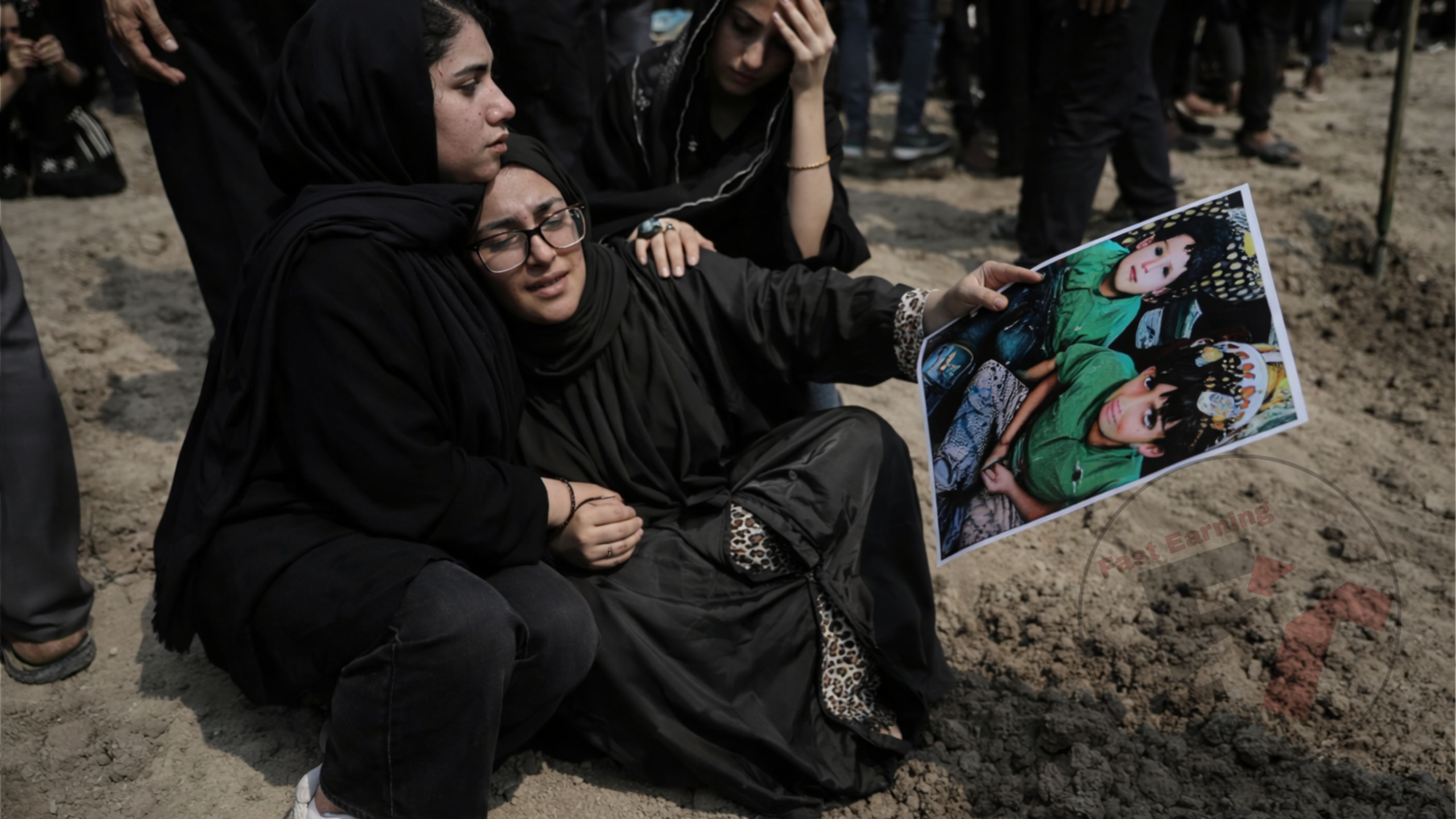
For example, Spain has openly expressed opposition to the military campaign, arguing that further violence could destabilize the region and lead to serious humanitarian consequences.
Meanwhile, other European governments have avoided openly condemning the United States and Israel, preferring a more cautious diplomatic approach.
This division has made it difficult for the European Union to form a common policy response.
Calls for Restraint and Diplomacy
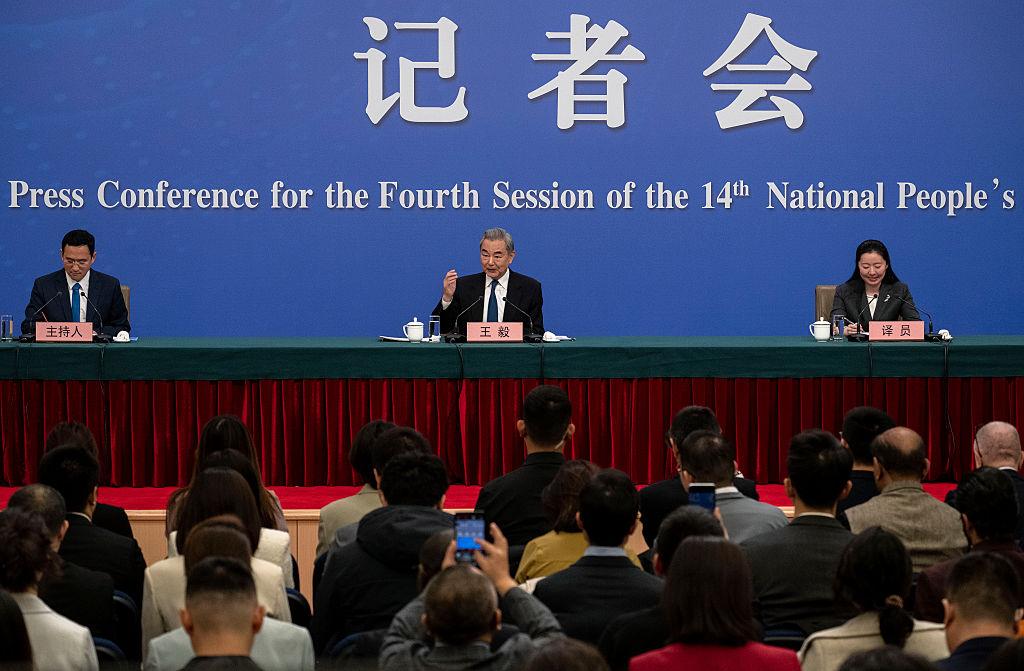
EU officials have repeatedly called for calm and urged all sides to avoid further escalation. European leaders have emphasized the importance of diplomacy and adherence to international law as the best path toward de-escalation.
France, Germany, and the United Kingdom have also encouraged Iran to pursue negotiations rather than military retaliation, stressing the need for political dialogue to prevent a larger regional conflict.
Despite these diplomatic appeals, the war continues to intensify, leaving Europe largely watching events unfold from the sidelines.
Growing Debate Over Collective Defence
Although the EU remains politically divided, some member states have begun discussing the idea of stronger military cooperation and collective defense in response to growing global instability.
Security experts argue that the conflict highlights Europe’s continued reliance on U.S. military leadership and the need for stronger independent defense capabilities.
These debates are also linked to broader discussions about Europe’s long-term security strategy and how the continent should respond to global crises.
Limited Influence Over the Conflict
Despite its economic and diplomatic power, Europe currently has limited direct influence over the course of the war.
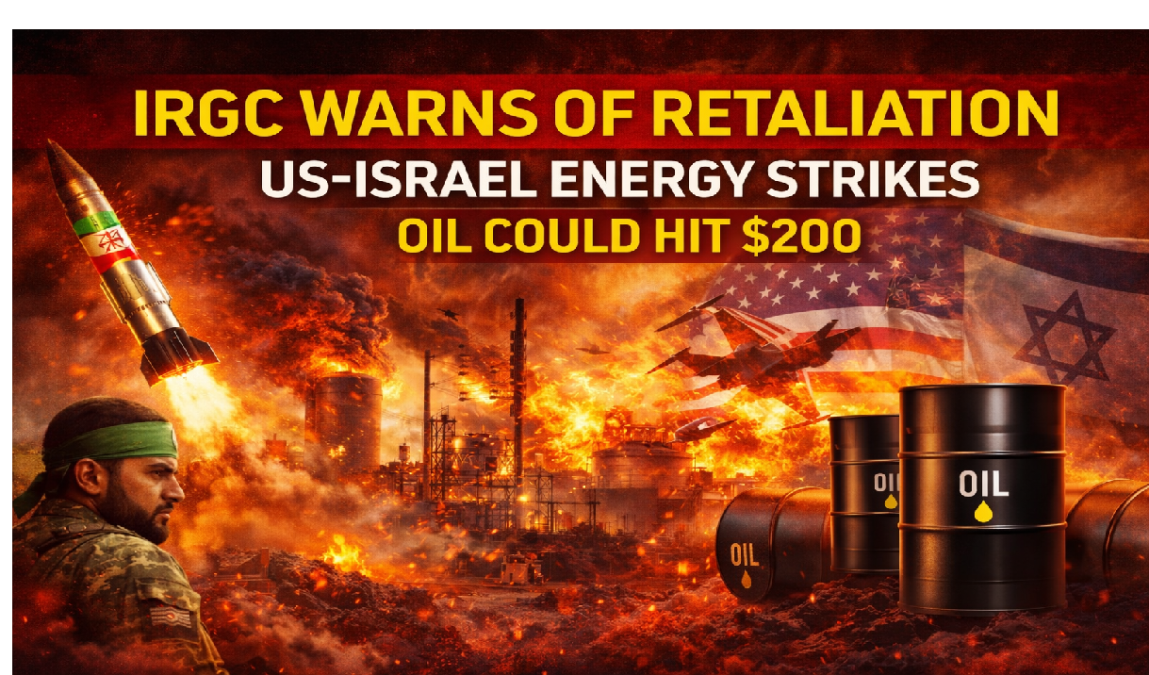
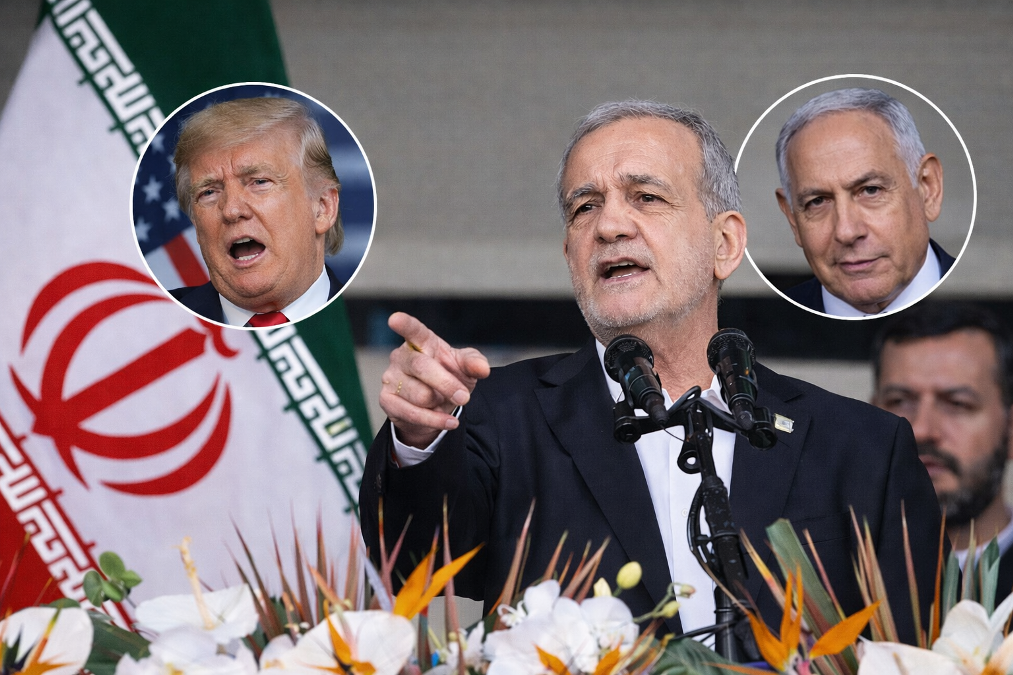
The military operations are being led primarily by the United States and Israel, while Iran continues to respond with retaliatory strikes across the region.
European governments are therefore focusing mainly on diplomatic efforts and humanitarian concerns rather than direct military involvement.
Rising Concerns Over Economic Impact
European leaders are also worried about the economic consequences of the conflict. Tensions in the Middle East have already begun to affect energy markets and shipping routes, raising fears of higher fuel prices and supply disruptions.
The Strait of Hormuz, one of the world’s most important oil shipping routes, remains a key area of concern for global trade and energy security.
Conclusion
As the war between Iran, the United States, and Israel continues, Europe finds itself politically divided and strategically uncertain. While some countries strongly oppose the conflict and call for diplomacy, others prefer to maintain close alignment with Washington.
The situation underscores the challenges facing the European Union as it attempts to balance regional stability, transatlantic relations, and its own security priorities.