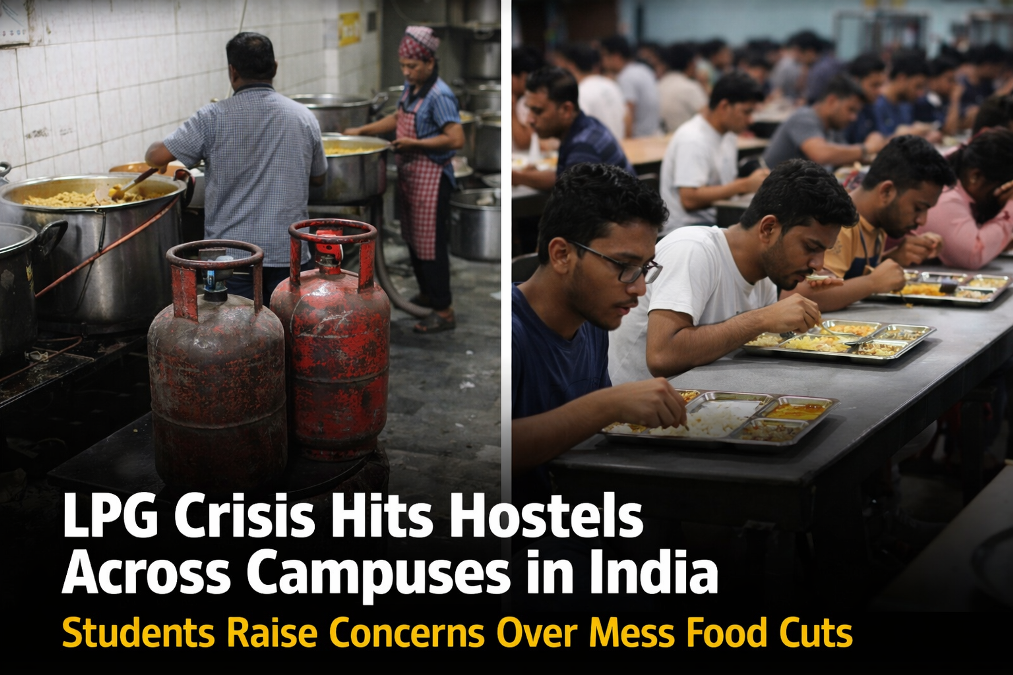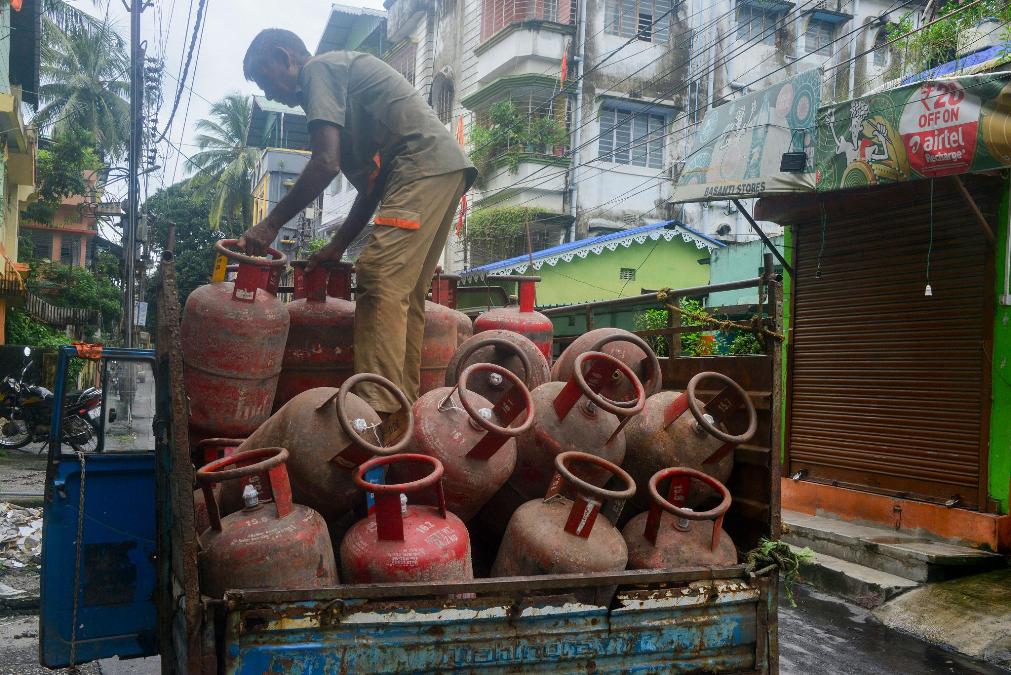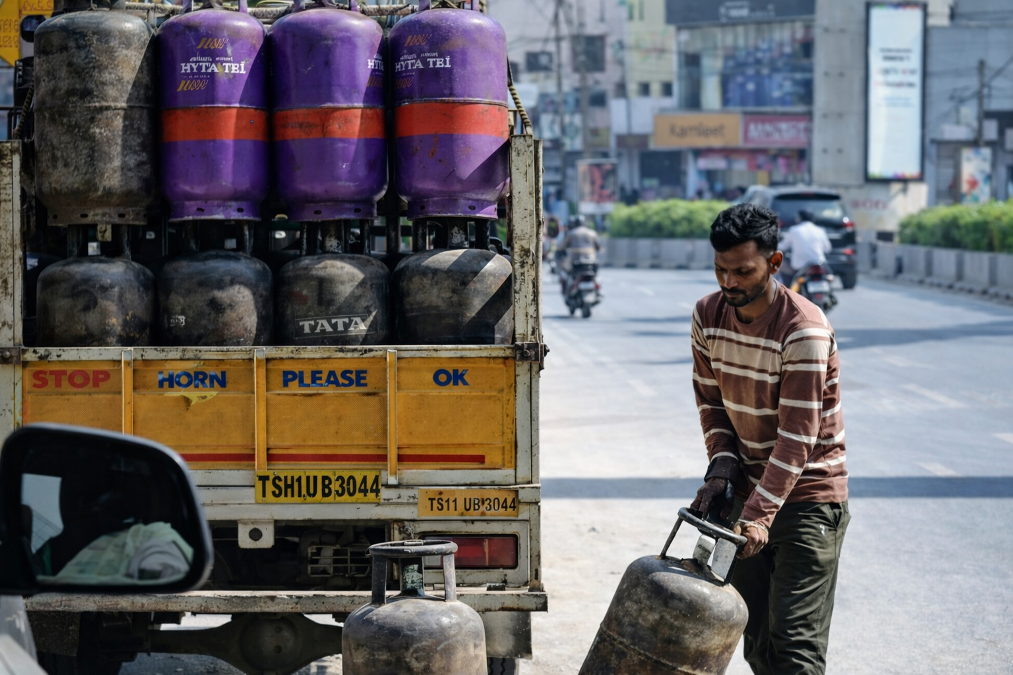
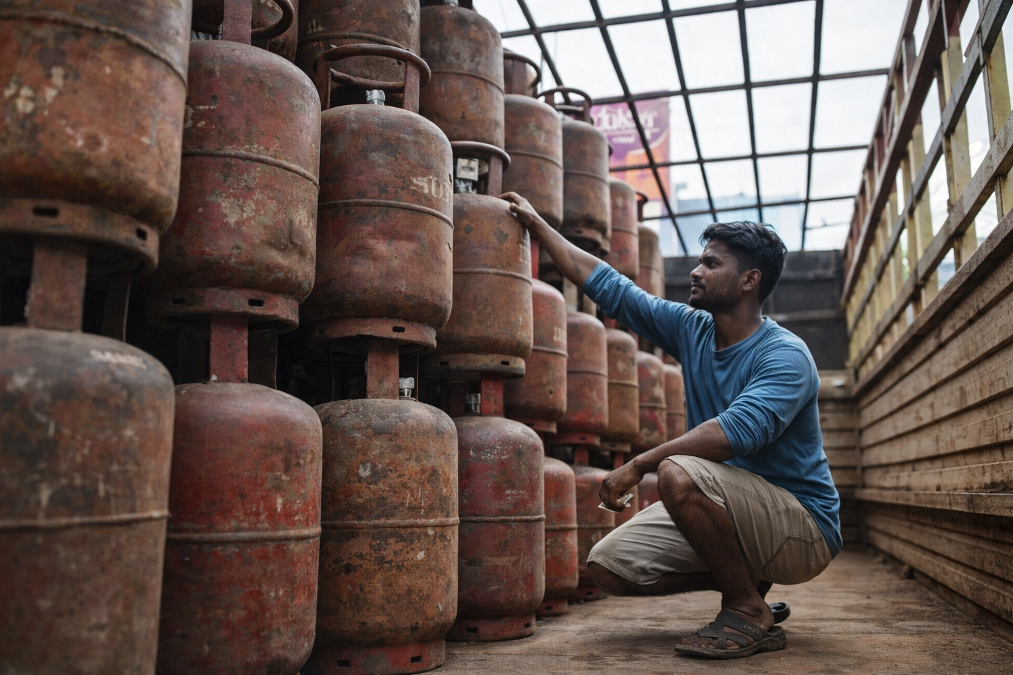
India is witnessing growing concerns over the supply of LPG cylinders as reports of shortages continue to emerge from several cities across the country. In response to the developing situation, the Ministry of Home Affairs (MHA) has directed states and Union territories to strengthen security around LPG plants and closely monitor the distribution of cylinders to prevent illegal diversion and black marketing.
The shortage comes at a time when global energy markets are facing instability due to the ongoing conflict in the Middle East, which has disrupted supply routes and increased fuel prices worldwide. As LPG supply chains come under pressure, both households and commercial establishments in India are beginning to feel the impact.
Centre Asks States to Monitor LPG Distribution
According to government sources, the Centre has issued an advisory asking states to review LPG supply on a daily basis and take strict action against those involved in hoarding, black marketing or illegal diversion of cylinders.
Authorities have also been asked to increase vigilance around LPG bottling plants and storage facilities to ensure uninterrupted distribution.
Officials say that the aim of the directive is to ensure that domestic consumers do not suffer due to supply disruptions caused by global developments.
The advisory also instructs local administrations to maintain coordination with oil marketing companies and monitor retail outlets to prevent unauthorized sale of cylinders.
Households and Restaurants Facing Supply Delays
The LPG shortage has begun affecting daily life in several cities across India. From households to small eateries and restaurants, many consumers are reporting delays in cylinder delivery.
Restaurant owners in cities like Bengaluru, Mumbai and Kolkata have warned that if the supply situation does not improve soon, they may be forced to reduce operations or temporarily close kitchens.
Small food vendors who rely heavily on LPG for cooking say they are struggling to maintain their businesses due to irregular cylinder availability.
Some eateries have even started rationing their cooking hours in order to conserve gas.
Middle East Conflict Disrupts Energy Supply
Energy experts say the shortage is closely linked to the ongoing war in the Middle East, which has affected international oil shipping routes and fuel supply chains.
One of the most critical areas affected by the conflict is the Strait of Hormuz, a key global energy shipping route through which a significant portion of the world’s oil and gas supply passes.
Any disruption in this region can directly affect LPG shipments and refinery operations.
Although India has multiple supply sources, delays in shipments and logistical disruptions can create temporary shortages in the domestic market.
Government Working to Secure Additional Supplies
Union Minister of State for Petroleum and Natural Gas Suresh Gopi has assured the public that the government is actively working to manage the situation.
Speaking on Thursday, Gopi said that efforts are underway to stabilize LPG supplies and explore additional procurement opportunities.
He also indicated that India may be able to secure extra LPG shipments through diplomatic channels.
However, the minister declined to reveal specific details about supply routes, citing diplomatic sensitivities related to the Strait of Hormuz.
According to officials, the government is working closely with global partners and energy suppliers to ensure that LPG supplies remain stable.
Domestic Households Given Top Priority
Oil marketing companies have clarified that domestic consumers remain the top priority during the current shortage.
In a statement, Bharat Petroleum Corporation Limited (BPCL) said that household LPG supplies will be protected even if commercial distribution faces temporary restrictions.
BPCL explained that a joint committee of LPG Executive Directors from BPCL, Indian Oil Corporation (IOC), and Hindustan Petroleum (HPCL) is reviewing requests from various sectors.
This committee is responsible for allocating cylinders based on urgency and demand.
Authorities say the goal is to ensure that families across the country continue to have access to cooking gas without major disruption.
Crackdown on Black Marketing
As shortages increase, authorities have also launched operations to prevent illegal sale and diversion of LPG cylinders.
Reports from several cities suggest that some traders are attempting to sell cylinders at inflated prices in the black market.
In response, enforcement agencies have begun conducting search and seizure operations to identify those involved in illegal activities.
Officials say strict penalties will be imposed on individuals or businesses found guilty of hoarding or diverting domestic cylinders for commercial use.
These operations aim to ensure fair distribution and prevent consumers from being exploited during the crisis.
Impact on Small Businesses
While domestic households are being prioritized, small businesses remain concerned about the shortage of commercial LPG cylinders.
Restaurants, tea stalls and roadside food vendors rely heavily on commercial cylinders to run their operations.
Several restaurant associations have warned that if supplies remain limited, food prices could increase as businesses try to cope with higher operating costs.
Some establishments have already begun adjusting their menus or reducing service hours to manage fuel consumption.
Energy Security Remains a Priority
The current situation has once again highlighted the importance of energy security and diversified fuel supply chains for India.
Experts say the government has already taken several steps to strengthen fuel reserves and secure multiple supply sources.
India maintains strategic petroleum reserves and has long-term agreements with multiple global energy suppliers.
These measures help the country manage temporary disruptions caused by geopolitical conflicts.
Consumers Urged to Avoid Panic Buying
Authorities have urged citizens not to panic or stockpile LPG cylinders unnecessarily.
Officials say that panic buying can worsen supply shortages and disrupt distribution networks.
Consumers are advised to book cylinders through official channels and report any illegal sale or inflated pricing to local authorities.
Government officials have also assured that the situation is being monitored closely and that supply conditions are expected to stabilize.
Conclusion
The LPG shortage across India has raised concerns among households, businesses and policymakers alike. While the government has taken steps to monitor distribution, increase security and crack down on black marketing, the situation continues to evolve due to global energy disruptions.
With the conflict in the Middle East affecting fuel supply routes, authorities are working to secure additional shipments and ensure that domestic consumers remain protected.
For now, the focus remains on maintaining stable supplies, preventing illegal activities and ensuring that essential cooking gas reaches millions of households across the country.