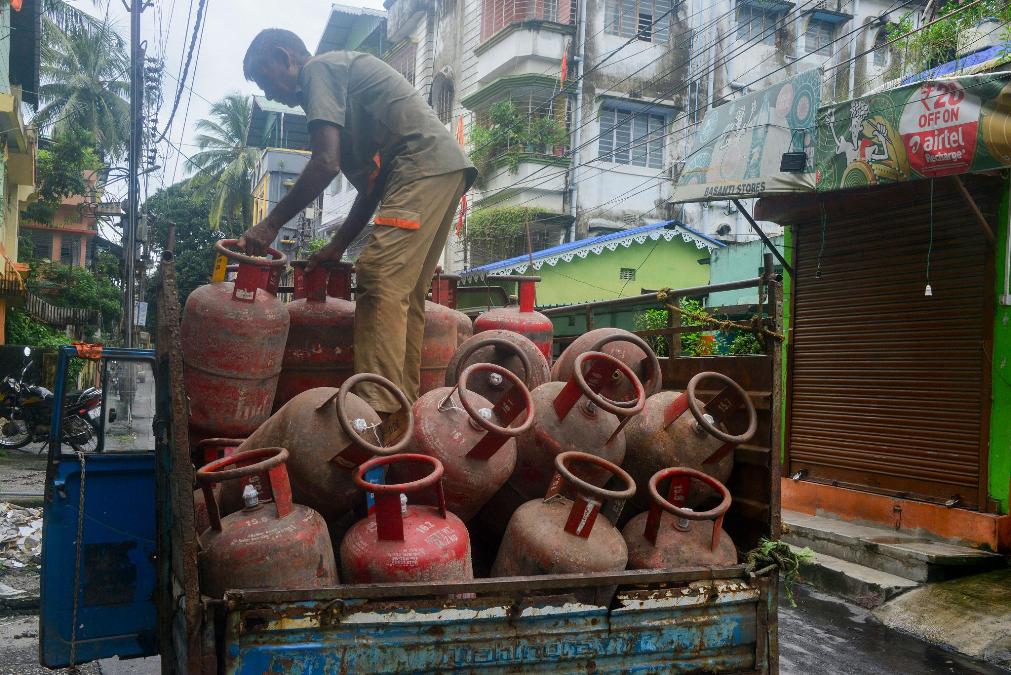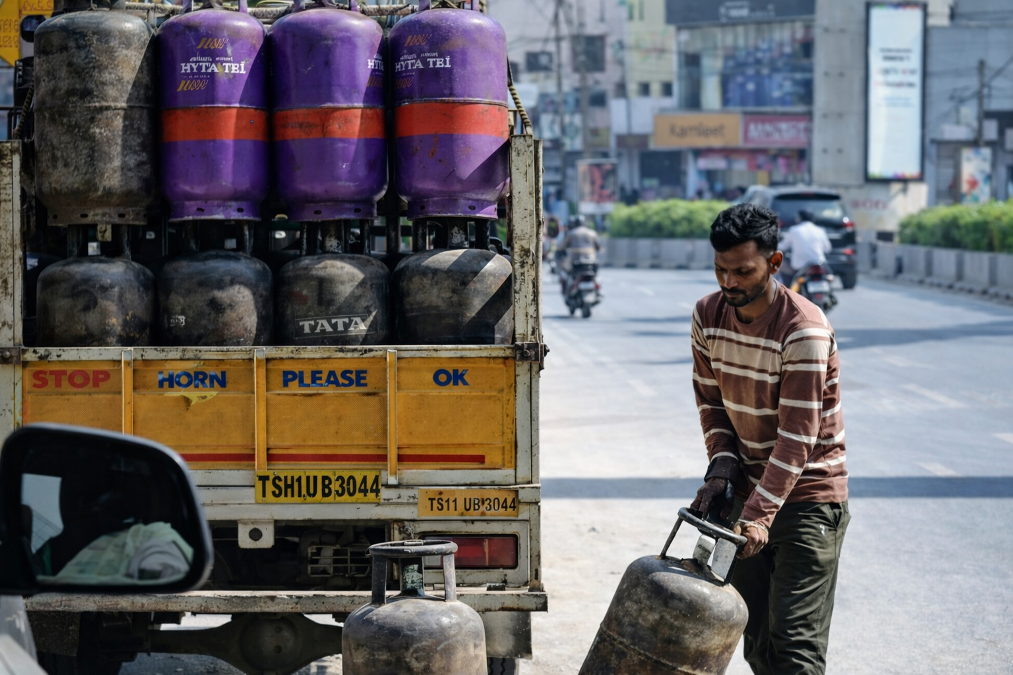
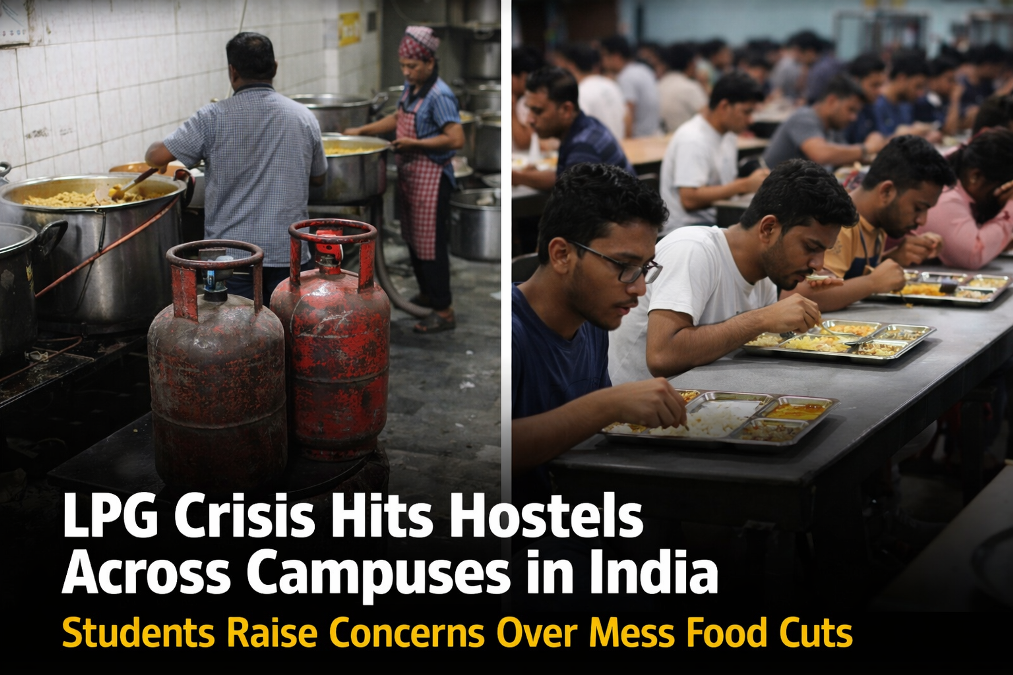
The shortage of LPG cylinders, which has already impacted restaurants, small businesses, and commercial kitchens, is now spreading to educational institutions where thousands of students depend on hostel mess facilities for their daily meals.
Students across multiple universities have taken to social media platforms to highlight the situation, sharing photos and posts showing reduced menu options and limited food variety in hostel dining halls.
Hostel Mess Menus Being Simplified
Hostel administrators say they have been forced to reduce cooking gas usage due to irregular LPG cylinder deliveries. In many institutions, mess kitchens that normally use several commercial LPG cylinders every day are now receiving fewer cylinders or facing delayed supply.
To cope with the situation, many hostels have introduced temporary changes such as:
- Reducing the number of cooked dishes served per meal
- Eliminating fried items that require more gas
- Replacing elaborate meals with simpler food options
- Limiting breakfast menus to basic items
Students have reported that dishes such as fried snacks, special curries, and multi-item meals have been temporarily removed from hostel menus.
In some cases, hostel kitchens are also adjusting cooking schedules to conserve LPG usage.
Students Express Frustration
Many students living in hostels say the food changes are affecting their daily routines and overall campus experience.
Several posts circulating online show students complaining that hostel meals have become too basic and repetitive, with limited variety compared to earlier weeks.
Some students said that while they understand the supply issues, institutions should communicate clearly about the situation.
One student from a university in northern India said:
“The hostel mess has stopped serving some items completely. Earlier we had a proper meal with two vegetables and other items, but now the menu has been simplified. We understand there is a shortage, but the changes have been sudden.”
Others have urged campus administrations to find alternative arrangements or backup cooking solutions.
LPG Supply Disruptions Affect Institutions
Educational institutions, especially large universities with thousands of students, consume significant quantities of commercial LPG cylinders every day.
Hostel mess kitchens typically require several cylinders daily to cook meals for hundreds or even thousands of residents.
However, due to supply disruptions in the LPG market, some distributors have reportedly delayed deliveries to institutional customers.
Officials say the shortage is linked to global energy supply disruptions and increased demand, which have created pressure on LPG distribution networks in several cities.
Government Prioritising Essential Services
Government authorities have recently introduced priority-based LPG distribution systems in some cities to manage limited supplies.
Under these systems, hospitals, railways, airports, and essential public services receive the highest priority, while sectors such as restaurants and institutional kitchens receive limited allocations.
Although hostel kitchens are not classified as emergency services, officials say efforts are being made to ensure that educational institutions continue receiving enough LPG to operate mess facilities.
However, supply limitations mean that some campuses may need to temporarily adjust cooking operations.
Universities Looking for Temporary Solutions
To address the situation, some educational institutions are exploring temporary alternatives to reduce dependence on LPG.
Possible solutions being considered include:
- Using electric cooking equipment for certain meals
- Switching some food preparation processes to induction cooking systems
- Adjusting meal schedules to optimize fuel use
- Increasing reliance on pre-prepared food items that require less cooking gas
Campus administrations say they are trying to maintain food quality while ensuring that LPG supplies last longer.
Impact on Student Life
For many students living away from home, hostel mess facilities are the primary source of daily meals. Any disruption to food services can significantly affect student comfort and routine.
Students say the reduced menus are manageable in the short term, but they hope the LPG supply situation improves soon.
University officials have also urged students to remain patient while the supply situation stabilizes.
Experts Expect Situation to Stabilize
Energy experts believe the LPG shortage affecting institutions is likely to be temporary, although supply chains may take some time to fully recover.
Government agencies and oil marketing companies are reportedly working to increase LPG availability and stabilize distribution across different sectors.
If supply improves, educational institutions are expected to restore normal hostel menus and cooking operations.
Until then, universities and hostel kitchens may continue to operate with limited gas supplies while trying to maintain basic food services for students.
The ongoing LPG supply crisis in India is beginning to affect college and university hostels across the country, forcing institutions to reduce cooking gas consumption and simplify food menus in hostel mess facilities. Students from several campuses have reported that their daily meals have been limited or modified as hostel authorities struggle to manage LPG shortages.
The shortage of LPG cylinders, which has already impacted restaurants, small businesses, and commercial kitchens, is now spreading to educational institutions where thousands of students depend on hostel mess facilities for their daily meals.
Students across multiple universities have taken to social media platforms to highlight the situation, sharing photos and posts showing reduced menu options and limited food variety in hostel dining halls.
Hostel Mess Menus Being Simplified
Hostel administrators say they have been forced to reduce cooking gas usage due to irregular LPG cylinder deliveries. In many institutions, mess kitchens that normally use several commercial LPG cylinders every day are now receiving fewer cylinders or facing delayed supply.
To cope with the situation, many hostels have introduced temporary changes such as:
- Reducing the number of cooked dishes served per meal
- Eliminating fried items that require more gas
- Replacing elaborate meals with simpler food options
- Limiting breakfast menus to basic items
Students have reported that dishes such as fried snacks, special curries, and multi-item meals have been temporarily removed from hostel menus.
In some cases, hostel kitchens are also adjusting cooking schedules to conserve LPG usage.
Students Express Frustration
Many students living in hostels say the food changes are affecting their daily routines and overall campus experience.
Several posts circulating online show students complaining that hostel meals have become too basic and repetitive, with limited variety compared to earlier weeks.
Some students said that while they understand the supply issues, institutions should communicate clearly about the situation.
One student from a university in northern India said:
“The hostel mess has stopped serving some items completely. Earlier we had a proper meal with two vegetables and other items, but now the menu has been simplified. We understand there is a shortage, but the changes have been sudden.”
Others have urged campus administrations to find alternative arrangements or backup cooking solutions.
LPG Supply Disruptions Affect Institutions
Educational institutions, especially large universities with thousands of students, consume significant quantities of commercial LPG cylinders every day.
Hostel mess kitchens typically require several cylinders daily to cook meals for hundreds or even thousands of residents.
However, due to supply disruptions in the LPG market, some distributors have reportedly delayed deliveries to institutional customers.
Officials say the shortage is linked to global energy supply disruptions and increased demand, which have created pressure on LPG distribution networks in several cities.
Government Prioritising Essential Services
Government authorities have recently introduced priority-based LPG distribution systems in some cities to manage limited supplies.
Under these systems, hospitals, railways, airports, and essential public services receive the highest priority, while sectors such as restaurants and institutional kitchens receive limited allocations.
Although hostel kitchens are not classified as emergency services, officials say efforts are being made to ensure that educational institutions continue receiving enough LPG to operate mess facilities.
However, supply limitations mean that some campuses may need to temporarily adjust cooking operations.
Universities Looking for Temporary Solutions
To address the situation, some educational institutions are exploring temporary alternatives to reduce dependence on LPG.
Possible solutions being considered include:
- Using electric cooking equipment for certain meals
- Switching some food preparation processes to induction cooking systems
- Adjusting meal schedules to optimize fuel use
- Increasing reliance on pre-prepared food items that require less cooking gas
Campus administrations say they are trying to maintain food quality while ensuring that LPG supplies last longer.
Impact on Student Life
For many students living away from home, hostel mess facilities are the primary source of daily meals. Any disruption to food services can significantly affect student comfort and routine.
Students say the reduced menus are manageable in the short term, but they hope the LPG supply situation improves soon.
University officials have also urged students to remain patient while the supply situation stabilizes.
Experts Expect Situation to Stabilize
Energy experts believe the LPG shortage affecting institutions is likely to be temporary, although supply chains may take some time to fully recover.
Government agencies and oil marketing companies are reportedly working to increase LPG availability and stabilize distribution across different sectors.
If supply improves, educational institutions are expected to restore normal hostel menus and cooking operations.
Until then, universities and hostel kitchens may continue to operate with limited gas supplies while trying to maintain basic food services for students.