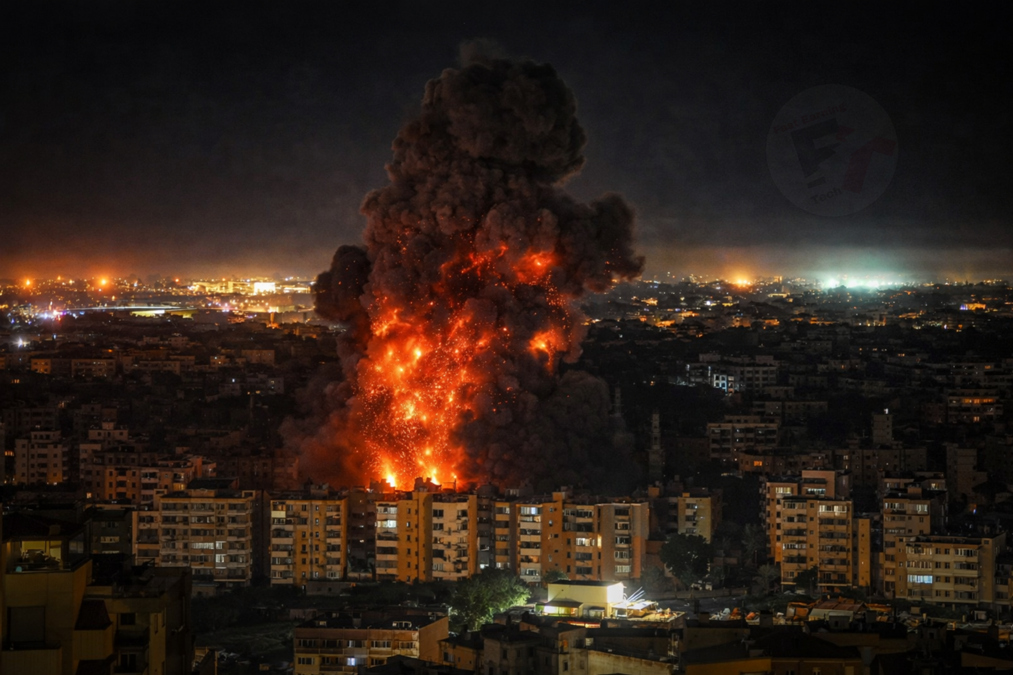
Tehran: Explosions shook several parts of Iran’s capital overnight as the conflict between Iran, the United States and Israel entered its second week, with Tehran accusing Washington and Tel Aviv of carrying out widespread attacks on civilian infrastructure across the country.
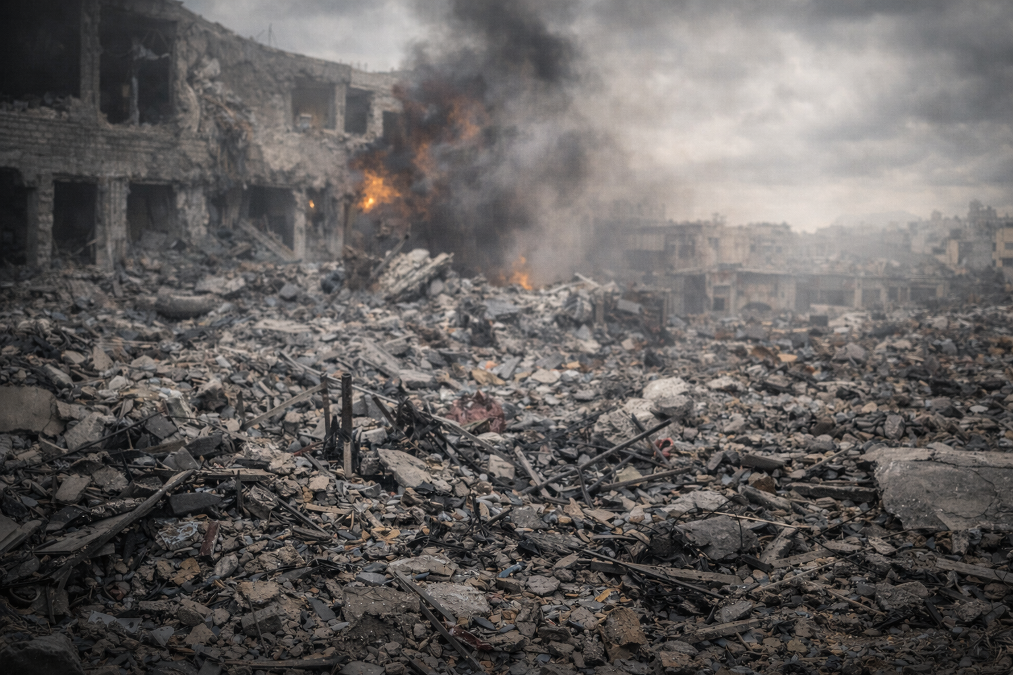
According to Iranian officials, nearly 10,000 civilian locations have been struck since the war began 11 days ago. Authorities say the attacks have resulted in the deaths of more than 1,300 civilians, further intensifying tensions across the Middle East.
The Iranian government claims the strikes have targeted residential neighborhoods, transportation hubs and key infrastructure facilities in multiple cities, including the capital Tehran.
Meanwhile, the United States military announced it had destroyed 16 inactive Iranian mine-laying vessels, saying the move was intended to prevent any attempt to disrupt global oil shipments through the strategic Strait of Hormuz.
The operation followed a warning from US President Donald Trump, who said Iran would face “grave consequences” if it attempted to interfere with international oil flows through the critical maritime route.
At the same time, fighting continues on multiple fronts across the region. Hezbollah forces and the Israeli military have been exchanging fire along the Lebanon-Israel border, while Iranian missile attacks have struck several locations in Israel.
Air raid sirens were reported in major cities including Tel Aviv and Jerusalem, where emergency services responded to missile strikes and damage to infrastructure.
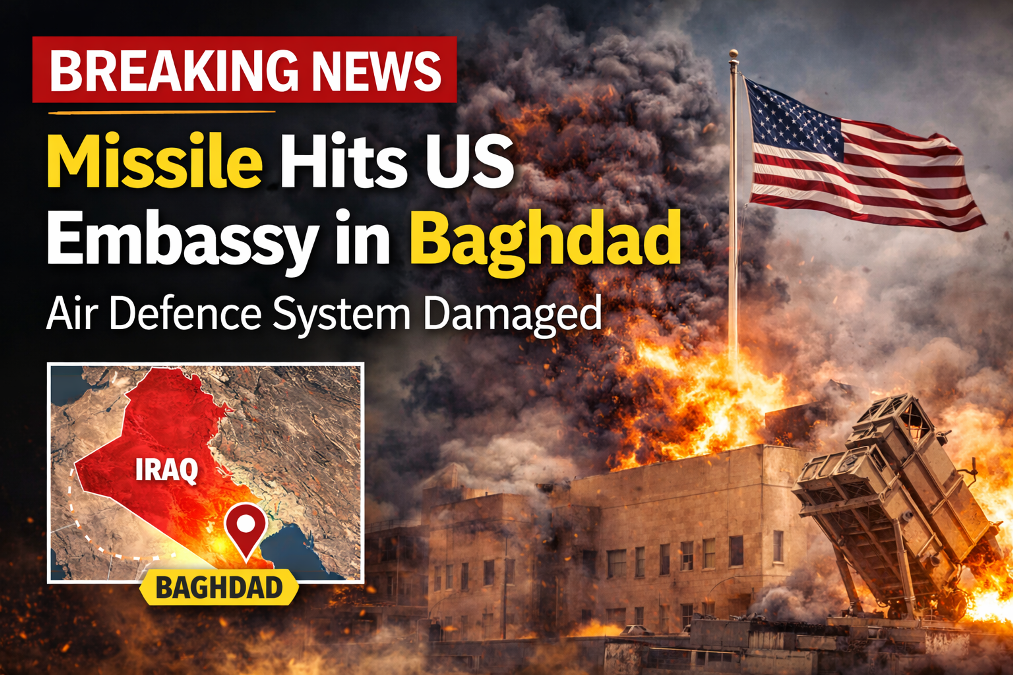
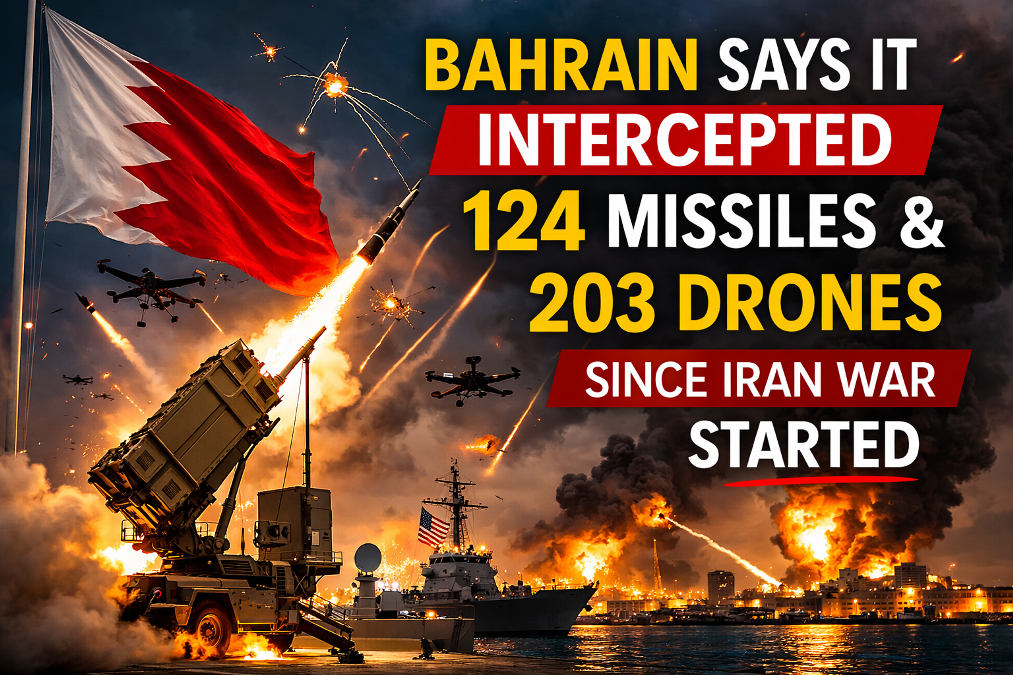
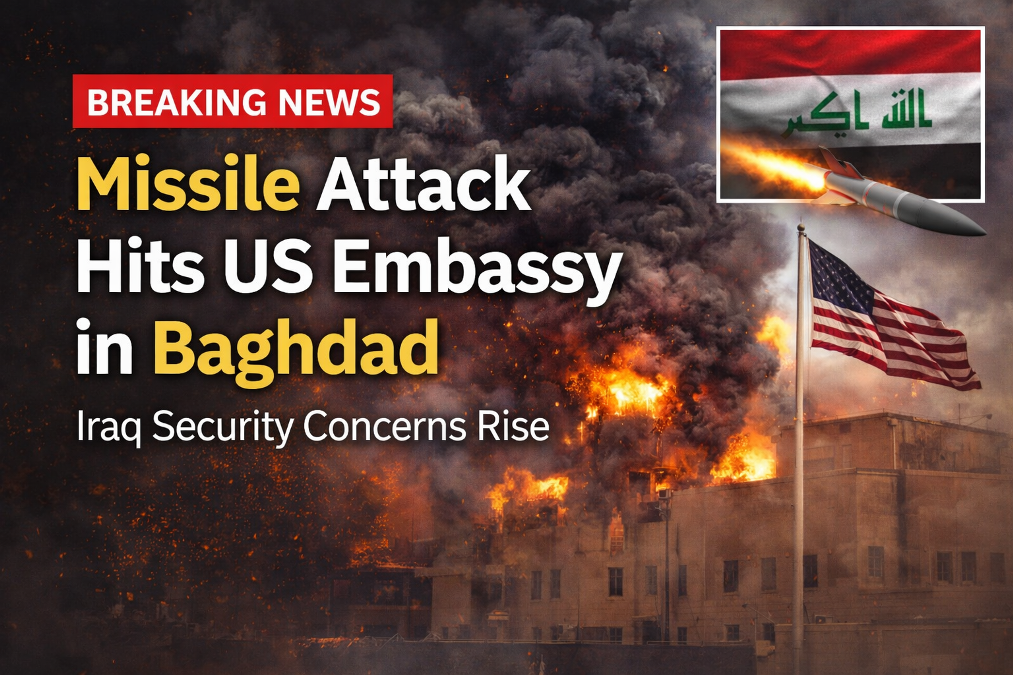
Iran’s retaliatory campaign has also extended across the wider Gulf region. Several countries including Bahrain, Iraq, Kuwait, Qatar, the United Arab Emirates and Saudi Arabia have reported intercepting Iranian missiles and drones targeting military and strategic locations.
Regional defence systems have been placed on high alert as the conflict threatens to expand further beyond Iran and Israel.
Military analysts warn that the escalating exchanges risk drawing more countries into the conflict, potentially turning it into a broader regional war affecting global energy markets and international security.
As fighting intensifies, humanitarian concerns are also growing, with rising casualty figures and increasing pressure on civilian infrastructure across multiple countries.