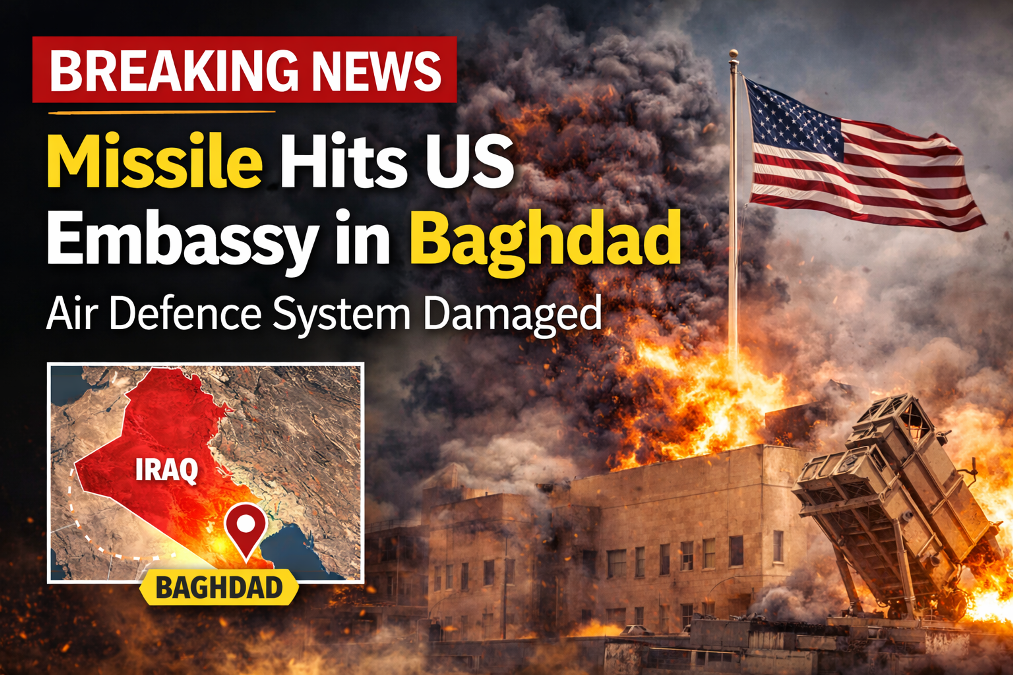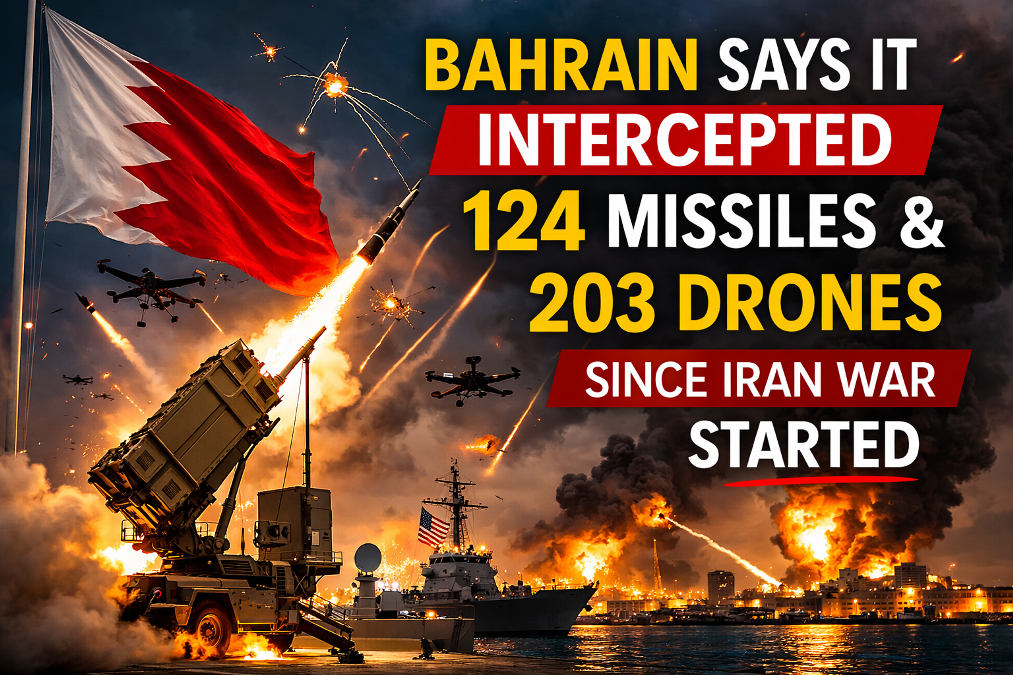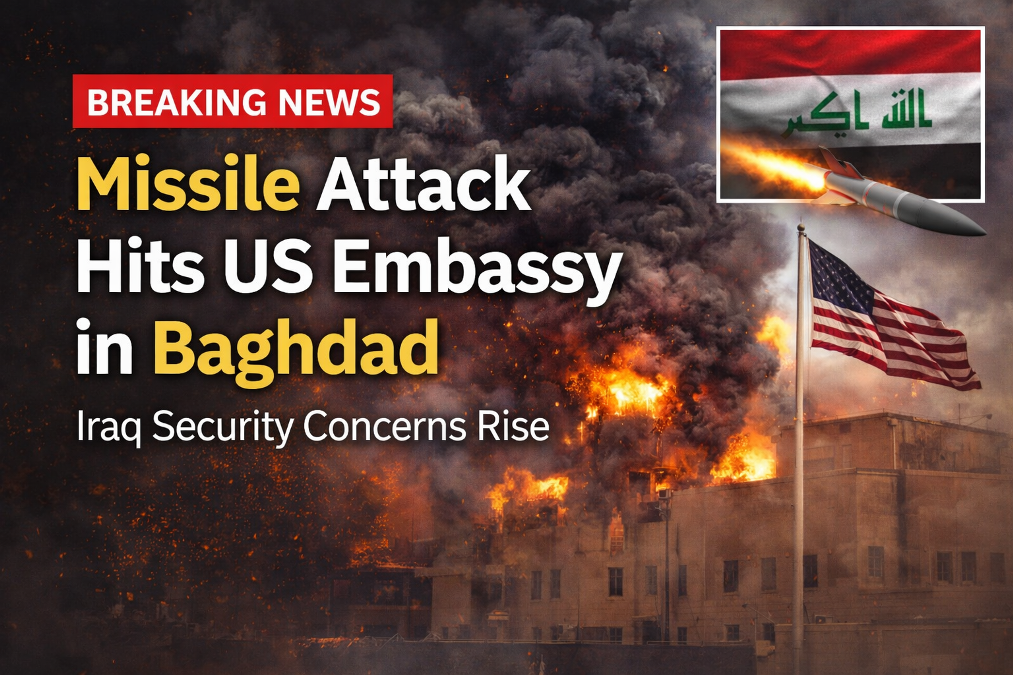
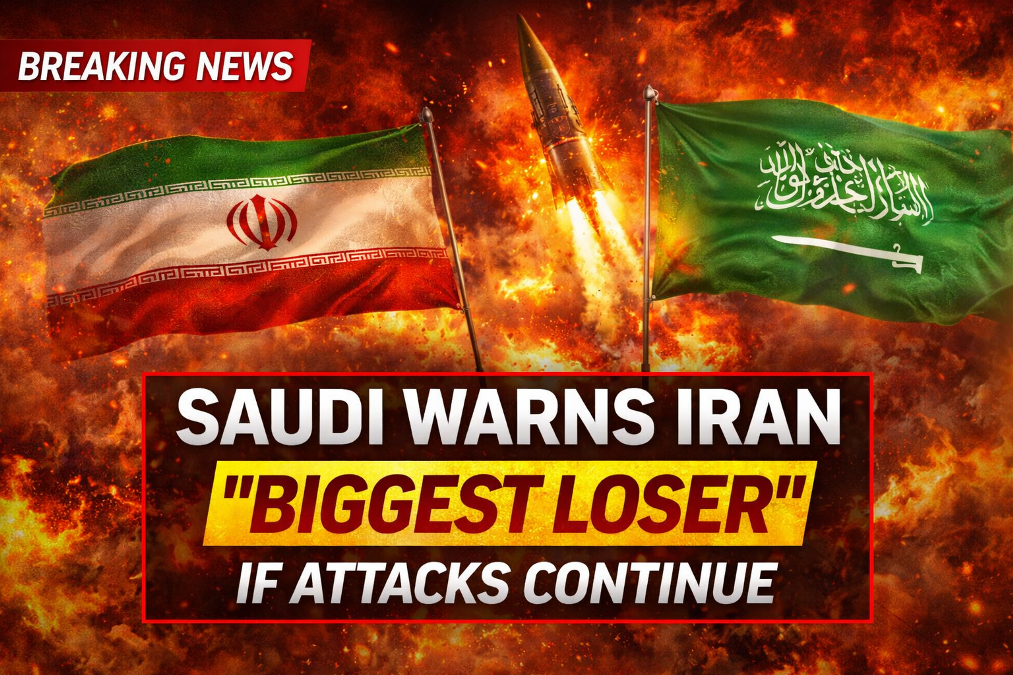
Riyadh — Saudi Arabia has strongly criticized Iran following a series of attacks that targeted locations across the Gulf region, warning that Tehran could suffer the most if tensions continue to escalate.
In an official statement, Saudi Arabia’s Ministry of Foreign Affairs condemned what it described as “heinous attacks” carried out against the kingdom as well as other Gulf, Arab and Islamic nations. The ministry said the attacks included strikes on civilian infrastructure such as airports and energy facilities, raising concerns about regional security and stability.
Saudi officials said targeting civilian locations represents a serious violation of international law and global agreements, emphasizing that such actions threaten peace across the Middle East.
The statement also rejected Iran’s claims that Saudi Arabia had allowed foreign military aircraft to operate from its territory in support of military operations against Iran. According to Saudi authorities, the aircraft referenced by Tehran were conducting routine aerial patrols aimed at protecting Saudi and Gulf Cooperation Council (GCC) airspace from incoming missiles and drones.
Saudi Arabia stressed that the defensive patrols were intended solely to safeguard national security and protect civilian populations from potential threats.
Officials warned that if Iran continues its current course of action, the conflict could escalate further, affecting both diplomatic relations and regional stability. The ministry said such actions could also have long-term consequences for Iran’s relationships with neighboring countries.
“We emphasize that Iran’s current actions toward our nations do not reflect wisdom or a genuine effort to avoid further escalation,” the ministry said in its statement.
Saudi authorities added that continued attacks could ultimately place Iran in a difficult strategic position, suggesting that Tehran could become the “greatest loser” if tensions across the region spiral further out of control.
The warning comes amid rising tensions in the Middle East, where military activity, missile launches and retaliatory threats have increased fears of a wider regional conflict involving several countries.
Analysts say diplomatic efforts will be crucial in the coming days to prevent the situation from deteriorating further and to maintain stability in the Gulf region.