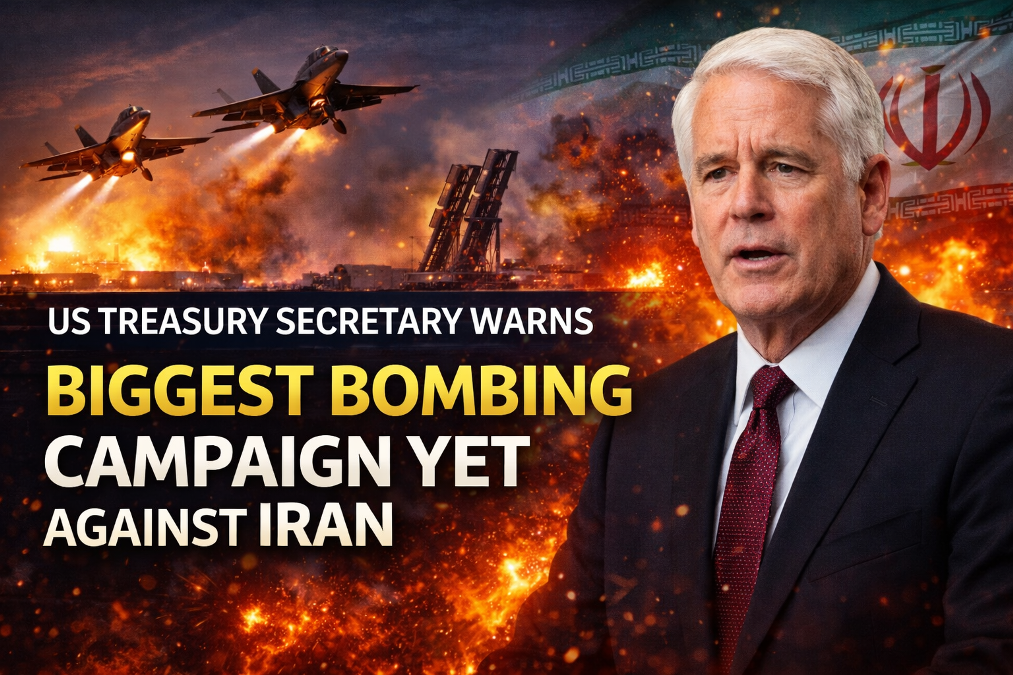
US Signals Major Military Escalation
Tensions between the United States and Iran continue to intensify as senior American officials indicate that a significant military operation could be imminent. US Treasury Secretary Scott Bessent has suggested that the United States may launch what he described as the largest bombing campaign so far in the ongoing conflict with Iran.
During an interview with Fox News, Bessent stated that the upcoming military action would target critical components of Iran’s missile infrastructure. According to him, the strikes are expected to focus on missile launchers, production facilities, and other military assets believed to support Iran’s missile program.
The statement highlights the growing seriousness of the confrontation between the two nations, which has already involved several rounds of airstrikes, missile attacks, and rising tensions across the Middle East.
Focus on Missile Launchers and Weapons Facilities
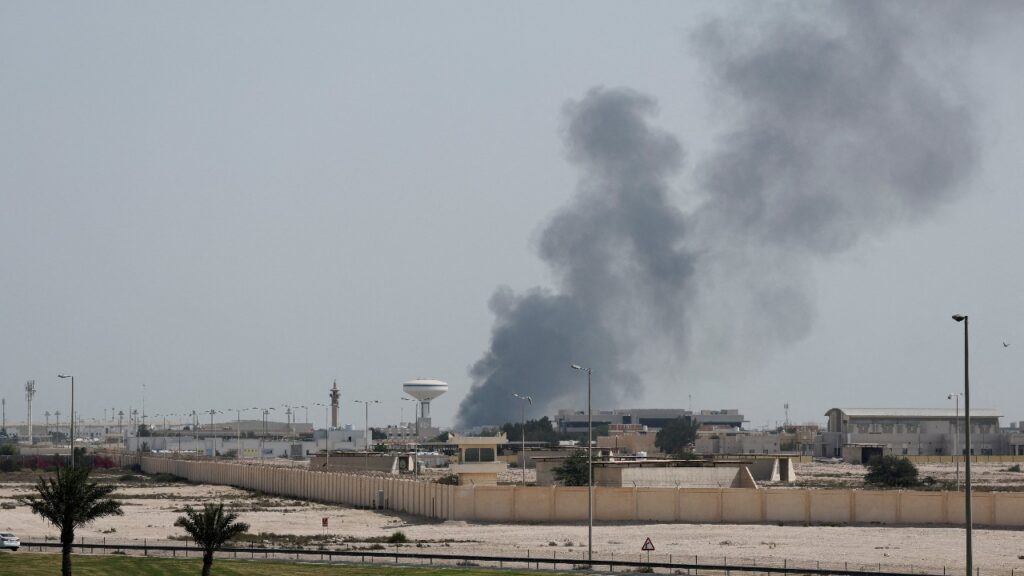
Bessent explained that the goal of the operation is to significantly weaken Iran’s ability to launch missiles and maintain its military capabilities. He said the United States is focusing on facilities that manufacture missiles as well as sites where they are prepared and launched.
According to the treasury secretary, American forces believe that targeting these strategic locations could greatly reduce Iran’s offensive capabilities. By damaging missile production factories and launch platforms, the United States hopes to disrupt the country’s ability to conduct further attacks.
He emphasized that the operation is designed to deliver maximum impact on Iran’s missile systems, describing it as a major effort to degrade the country’s military capacity.
Strategic Importance of the Strait of Hormuz
Bessent also accused Iran of attempting to create economic instability through its influence over the Strait of Hormuz, one of the world’s most important maritime trade routes.
The narrow waterway connects the Persian Gulf to the open ocean and is responsible for transporting a significant portion of global oil supplies. Any disruption to shipping traffic in this region could have major consequences for international energy markets.
According to Bessent, Iran’s presence near the strait has raised concerns that the country might attempt to interfere with global shipping in response to military pressure. Such actions could lead to sharp increases in oil prices and widespread economic consequences.
Rising Military and Political Tensions
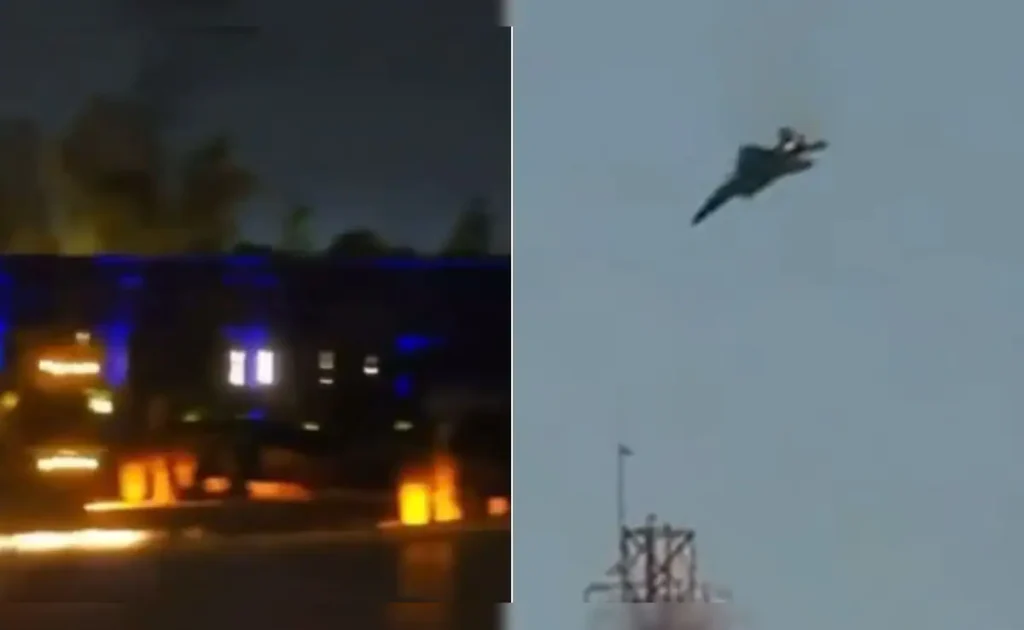
The statements from U.S. officials come at a time when tensions in the Middle East are already extremely high. In recent weeks, both Iran and the United States have exchanged strong warnings and accusations regarding military activities in the region.
Analysts say that the possibility of a large-scale bombing campaign could further escalate the situation and increase the risk of a wider regional conflict. Neighboring countries are closely monitoring developments, while global leaders continue to urge restraint.
Despite diplomatic efforts to reduce tensions, military preparations and political rhetoric on both sides suggest that the confrontation could intensify in the coming days.
Global Concerns Over Escalation
International observers have expressed concern about the potential consequences of a large military operation against Iran. Many governments and international organizations have called for dialogue and diplomatic solutions to prevent further violence.
Experts warn that a major bombing campaign could destabilize the region, disrupt global energy supplies, and increase geopolitical tensions worldwide.
With both sides maintaining firm positions and continuing military activities, the situation remains highly volatile.
Uncertain Outlook for the Region
As the conflict continues to evolve, it remains unclear how events will unfold in the coming days. While U.S. officials insist that the military campaign is aimed at limiting Iran’s capabilities, Iranian authorities have repeatedly vowed to respond to any attacks on their territory.
The possibility of further escalation has raised fears that the conflict could spread beyond the immediate region and involve additional countries.
For now, the Middle East remains on edge as the world watches closely to see whether tensions will escalate further or whether diplomatic efforts will eventually lead to de-escalation.