Conflicting Messages From Tehran
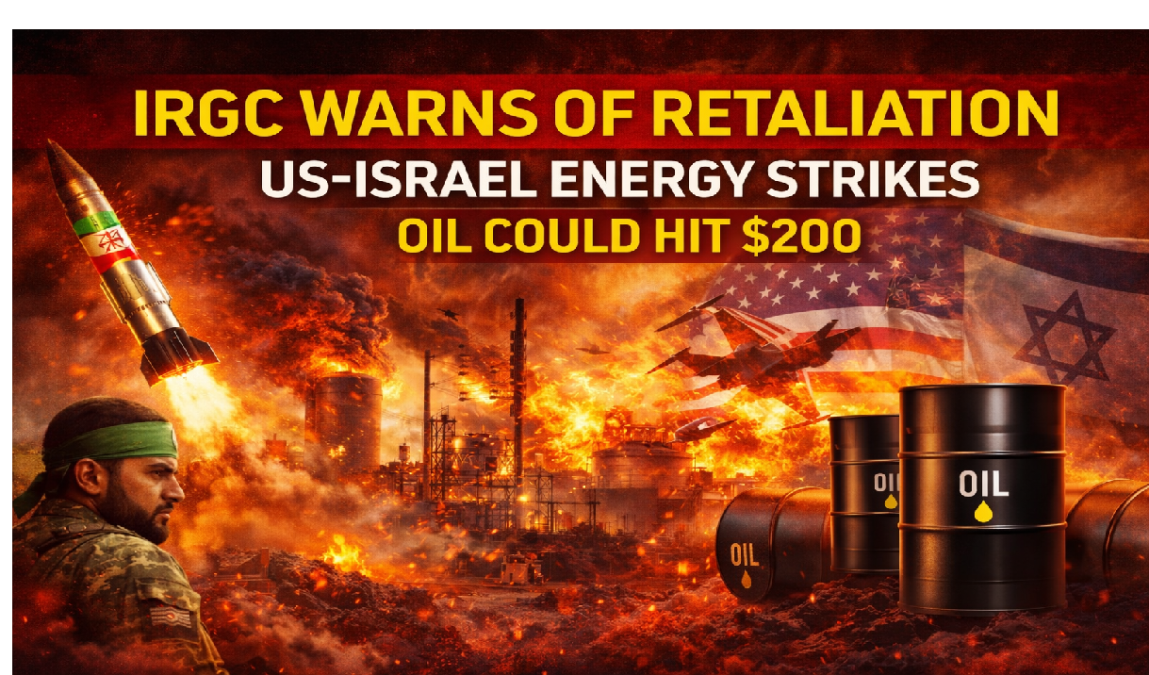
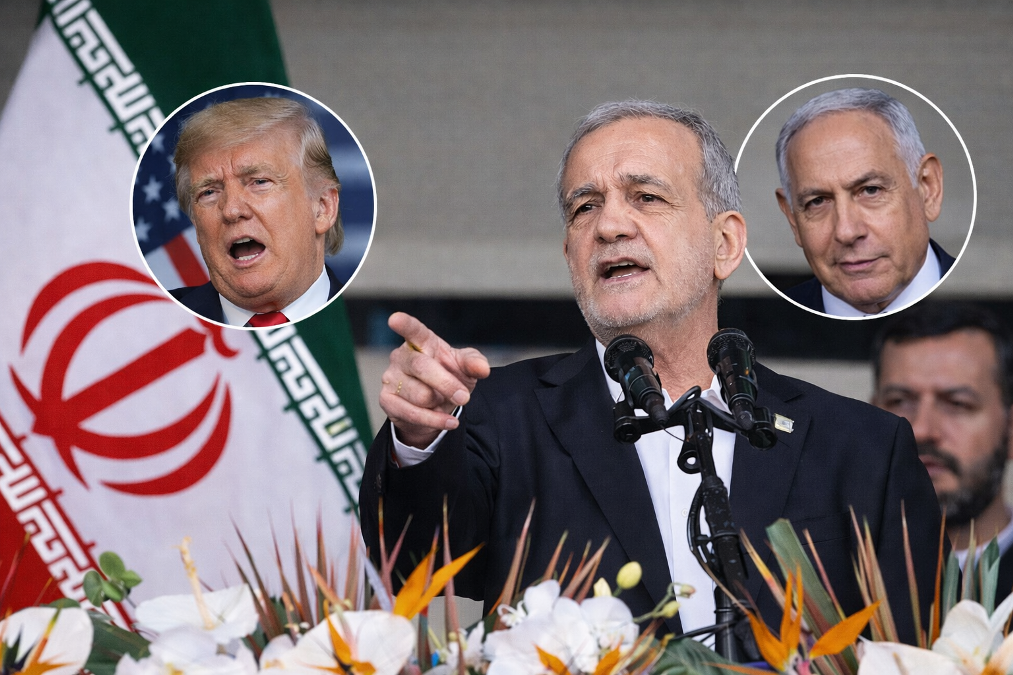
Iran’s leadership appears to be sending mixed signals regarding recent retaliatory attacks across the Gulf region. While Iranian President Masoud Pezeshkian has offered an apology to neighbouring countries affected by Iran’s strikes, the country’s powerful military force, the Islamic Revolutionary Guard Corps (IRGC), has taken a much firmer stance.
The situation reflects growing tensions in the Middle East after the United States and Israel launched military operations targeting Iranian positions. In response, Iran carried out retaliatory strikes that reportedly affected locations in several neighbouring countries.
President Apologises to Neighbouring Nations
President Pezeshkian said Iran regrets that nearby countries were affected by the recent attacks. According to the president, Iran’s actions were meant to respond to the military offensive launched against it by the United States and Israel.
In his remarks, the president emphasized that Tehran does not intend to harm neighbouring nations and expressed concern about the broader regional impact of the conflict. His apology appeared to signal a diplomatic effort to calm tensions with countries in the Gulf region.
Analysts say the statement may also have been intended to reassure regional governments that Iran is not seeking a wider confrontation with its neighbours.
IRGC Issues Strong Warning
However, Iran’s Islamic Revolutionary Guard Corps (IRGC) publicly criticized the president’s tone and issued a stern warning to countries in the region.
The IRGC stated that Iran would continue launching attacks if the United States or Israel used neighbouring territories to carry out strikes against Iranian targets. According to the military group, any country allowing its land or airspace to be used for attacks on Iran could become a potential target for retaliation.
This statement highlights the IRGC’s position that Iran must maintain a strong military response to deter further attacks.
Internal Differences Within Iran’s Leadership
Experts believe the contrasting statements may reflect internal differences within Iran’s political and military leadership. Iran’s governing system includes several powerful institutions, including the presidency, the Supreme Leader, and the Revolutionary Guard.
While the president often focuses on diplomatic messaging and regional relations, the IRGC typically emphasizes security and military strategy.
As a result, statements from these institutions can sometimes appear contradictory, even though they are part of the broader political landscape within the country.
Regional Concerns Continue to Grow
The conflicting messages from Tehran have increased uncertainty across the Middle East. Gulf countries are closely monitoring developments and have strengthened their security measures amid fears that the conflict could spread further.
Military alerts, missile interceptions, and increased patrols have already been reported in several parts of the region.
International observers warn that the situation remains highly volatile and that continued escalation could lead to a broader regional conflict.
Diplomatic Efforts Underway
Despite the rising tensions, several countries and international organizations are urging restraint. Diplomatic channels remain active as global leaders call for negotiations to prevent the crisis from worsening.
Whether Iran’s mixed messaging reflects strategic diplomacy or internal political divisions, analysts agree that the coming weeks will be critical in determining how the conflict develops.